
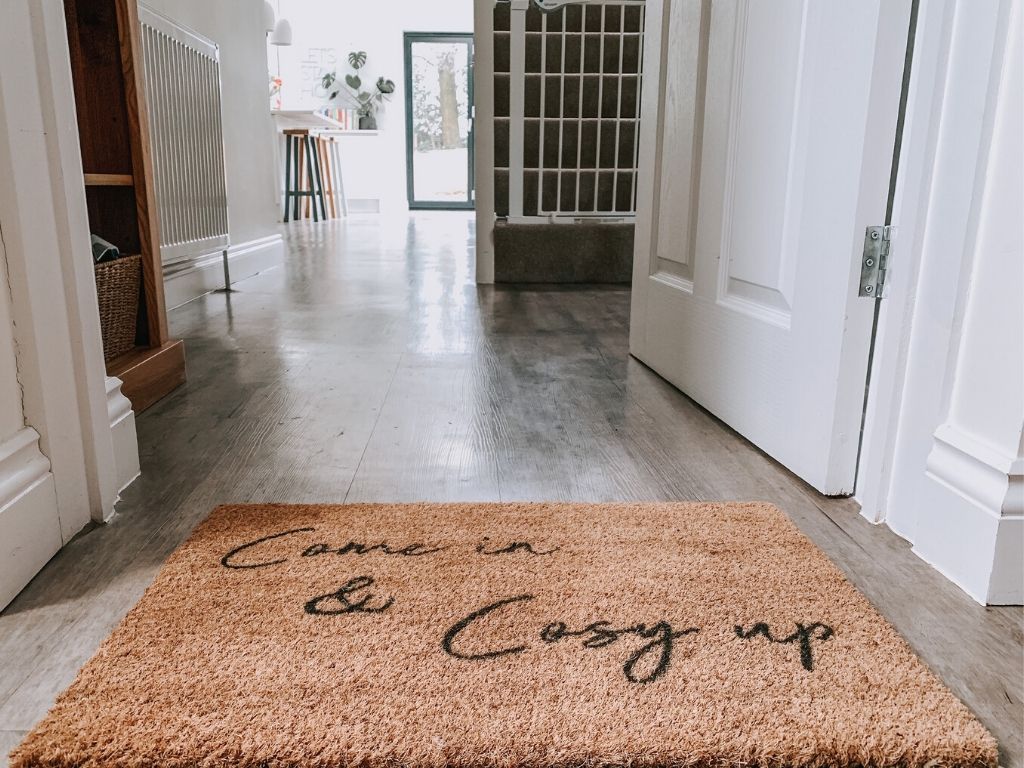
There are some home renovations that will haunt you if you get them wrong. Flooring is definitely one of them. If you get it right, you’ll never have to worry about it; it looks good and will stand up to whatever family life throws at it. But if you get it wrong, you’re constantly reminded every time you enter the room. Here’s what I wish I had known from the start when it comes to choosing flooring for the family home.
Understanding Your Lifestyle Needs First
Before you even start looking at flooring options, it’s worth thinking about how you actually live. I know we all dream of being the type of household where no one wears shoes indoors, and the dog’s paws are always clean, but reality is usually messier than that.
If you’ve got children, you’ll know they’re basically tiny destruction machines. Even the most careful toddler will test your flooring in ways you would have never expected.
Pets add another layer of consideration. Dog claws can be especially harsh on certain types of flooring. If your furry friend tends to have accidents, you’ll want something that can handle that without leaving permanent damage or lingering smells.
Your lifestyle dictates what you need from your flooring far more than any design trends or aesthetic preferences. There’s no point falling in love with flooring that will be ruined within six months of installing it.
Flooring Options Explained
Let’s break down the main flooring types you’re likely to consider for family homes, with the honest pros and cons of each.
Carpet
Carpet gets a bad reputation these days, but it has genuine advantages. It’s soft, warm under your feet, quiet (always useful to dampen noise from upstairs), and provides cushioning if little ones take a fall. The downsides are: it stains, it harbours allergens and it can look tired quickly in areas with high foot traffic. And if you’ve got pets, you’re basically signing up for constant hovering and occasional deep cleans.
Real Wood Flooring
There’s something gorgeous about real wood flooring. It gives the house character and ages beautifully if taken care of properly. The catch is that the maintenance can take a lot of effort. Real wood needs a lot of care; it can be scratched by pet claws or toys, damaged by spills, and occasionally needs refinishing. It also has a high upfront cost, but if you’ve got the budget and don’t mind occasional maintenance, it’s a great choice.
Vinyl Flooring
Modern vinyl flooring has come a long way from the thin, obviously fake stuff of the past couple of decades. Luxury vinyl can look surprisingly conning whilst being completely waterproof and highly durable.
Laminate Flooring
This is now the more modern choice. Nowadays, laminate flooring looks far more convincing than it used to, comes in loads of styles and finishes, and most importantly for families, it’s incredibly durable and easy to maintain. Quality laminate can handle pretty much anything thrown at it. Spills wipe up easily, it doesn’t stain, it’s scratch resistant and requires no special treatment beyond regular cleaning.
Getting the Style Right
Once the practical stuff is sorted, you can think about aesthetics. The good news is that modern flooring comes in such a variety of styles that you’re bound to find something that works for your home.
Colour Considerations
Lighter floors make rooms feel buffer and brighter, but will show every speck of dirt and dust meaning you’ll spend more time cleaning. Darker floors hide dirt better but show scratches and dust more. A medium tone is the sweet spot for most family homes; forgiving enough to live with while still looking good.
Plank Width and Pattern
Wider planks tend to look more contemporary, while narrower ones feel more traditional. You can get laminate in patterns like herringbone or chevron if you want some that stands out. These look stunning but are trickier to install and use more material, making them more expensive.
Texture and Finish
Smooth finishes show scratches more easily. Textured finishes that mimic real wood grain not only look more convincing but are more forgiving to live with. Most quality laminate now has some texture, which gives it less of a plasticky underfoot as well.
Budget Check
Flooring is expensive. There’s no getting around this, but viewing it as a long-term investment rather than just a needless expense helps justify spending a bit more upfront.
Budget roughly $15-25 per square metre for decent quality laminate, plus underlay costs, and installation if you’re not making this a DIY project. Real wood costs significantly more, around $40-100+ per square metre, depending on species and quality.
It’s important to do your own research and measure out the spaces you’ll be placing your new flooring. It’s also a great idea to book a consultation with a tradesman to get a quote, and then from there you can book to have them complete the job or make the choice to do it yourself.
Final Thoughts
Choosing flooring is one of those decisions that will affect your life every day, so it’s worth taking time to get it right. Think practically first (durability of the material etc), then consider aesthetics (patterns, colours etc). Don’t be swayed to pick a certain type of flooring just because it looks best in the show room; think about how it’ll hold up to your actual lifestyle.
Flooring is one of those renovations that genuinely transforms how your home feels, and getting it right makes such a difference to everyday life. Take your time with the decision, and don’t rush into the cheapest option.
We hope this post helped you in making your decision and wish you the best of luck with your new renovation project.







No Comments