
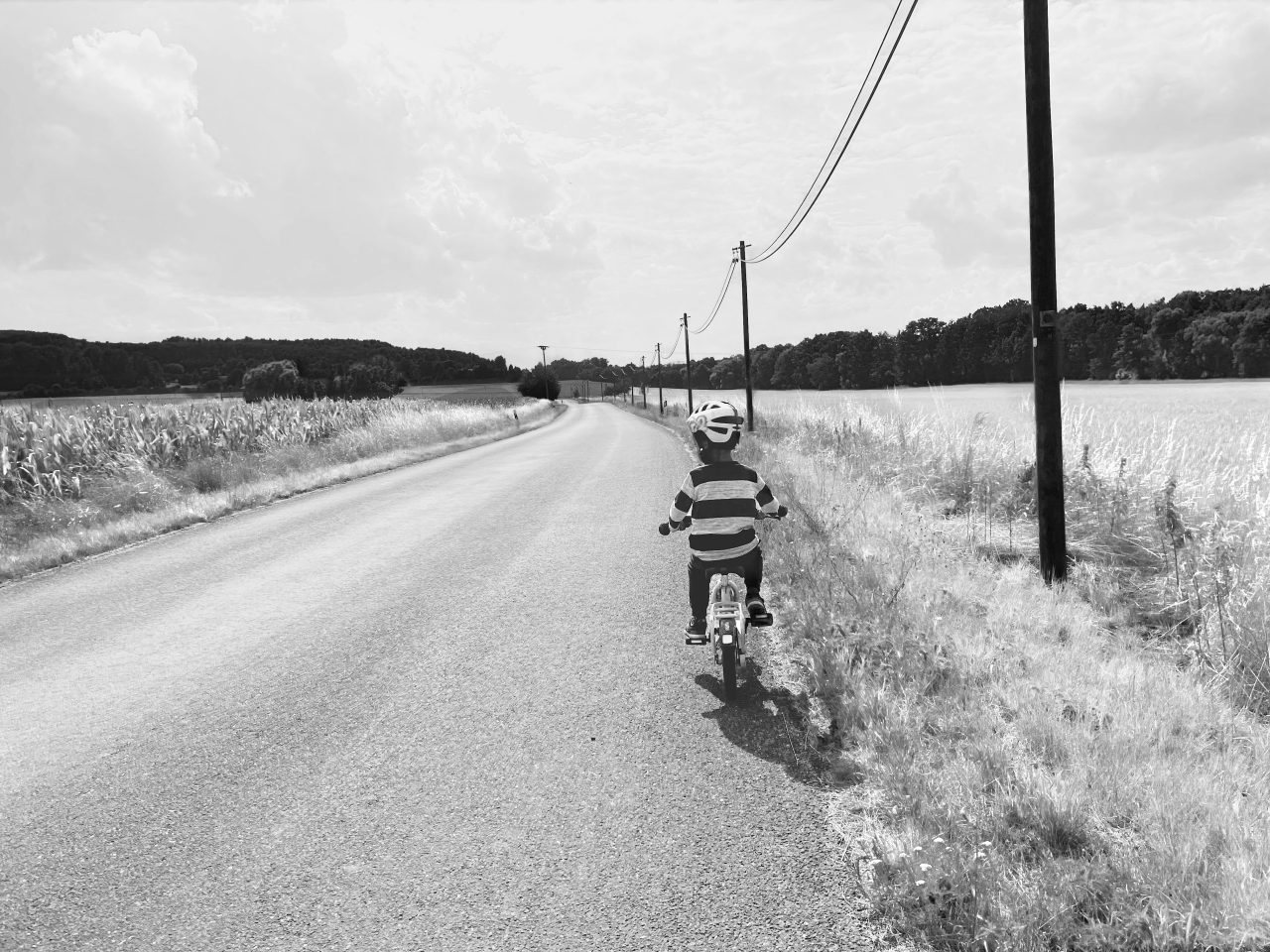
That first proper ride is never just about cycling. It’s about confidence. It’s about trust (theirs and yours). And it’s about getting them onto a bike that doesn’t make the whole process harder than it needs to be.
If you’re at the “what do we actually buy?” stage, many parents simply start by browsing and getting their bearings on the Bobbin Bikes website.
The importance of a bike that grows with your child
Kids don’t grow in neat, predictable increments. They shoot up, then don’t, then suddenly their knees are practically under their chin on the bike you bought “with room to spare”. That’s why fit matters so much. When the bike is the right size, children can focus on what they’re learning—starting, stopping, turning—rather than fighting the bike itself.
A lot of early nerves come down to control. If a child can get a foot down quickly, reach the brakes comfortably, and steer without feeling like the handlebars are “too much”, they relax. And when they relax, they learn faster. You also get fewer of those sessions where everyone ends up a bit cross for no good reason.
It’s worth thinking beyond the first day, too. You want something they’ll still enjoy once the novelty wears off—when it’s no longer “learning”, it’s just getting on and going. For that, it helps to look at a range that covers different ages and sizes rather than one “one size fits all” option, which is why it can be useful to compare kids’ bikes.
Creating a family cycling tradition
The best part of a first bike isn’t the first ride. It’s the week after. Suddenly you’ve got a child who wants to go out again. And again. They’ll ask to ride to the end of the road, then to the park gate, then “just one more lap”. It’s how a habit starts without anyone announcing it.
Family rides don’t need to be ambitious to be memorable. The easiest ones are the ones with a purpose that isn’t fitness: a bakery stop, feeding ducks, a playground loop, a slow ride somewhere you can hear yourself think. Pick routes where you’re not constantly saying “Watch out!” and you’ll all enjoy it more. If you’ve ever tried to teach road sense while also steering around potholes and pedestrians, you’ll know exactly why quiet paths are priceless.
And the tradition changes as they grow. What begins as park laps turns into school routes and “Can I go meet my friend?” territory. Eventually, you’re not teaching them—you’re keeping up (or trying to).
Safety and confidence at every stage
A child who feels safe is a child who’ll keep riding. That doesn’t mean wrapping them in bubble wrap; it means getting the basics so routine that you don’t have to think about them.
- Helmet every time. No exceptions. It’s in the Highway Code that cyclists should wear a correctly fitted helmet.
- Quick bike checks: tyres with enough air, brakes that bite, chain that isn’t grinding.
- Clothes that won’t snag and shoes that won’t slip off the pedals.
- Practice “boring” things early: stopping on purpose, looking where you want to go, slowing near people.
Also, expect the occasional wobble even after they “can ride”. Confidence comes in waves. One day they’ll fly around happily; the next they’ll forget how to start on a slight incline and act like cycling is impossible. That’s normal. Keep it light, keep it short, and call it a win while everyone’s still smiling.


No Comments