
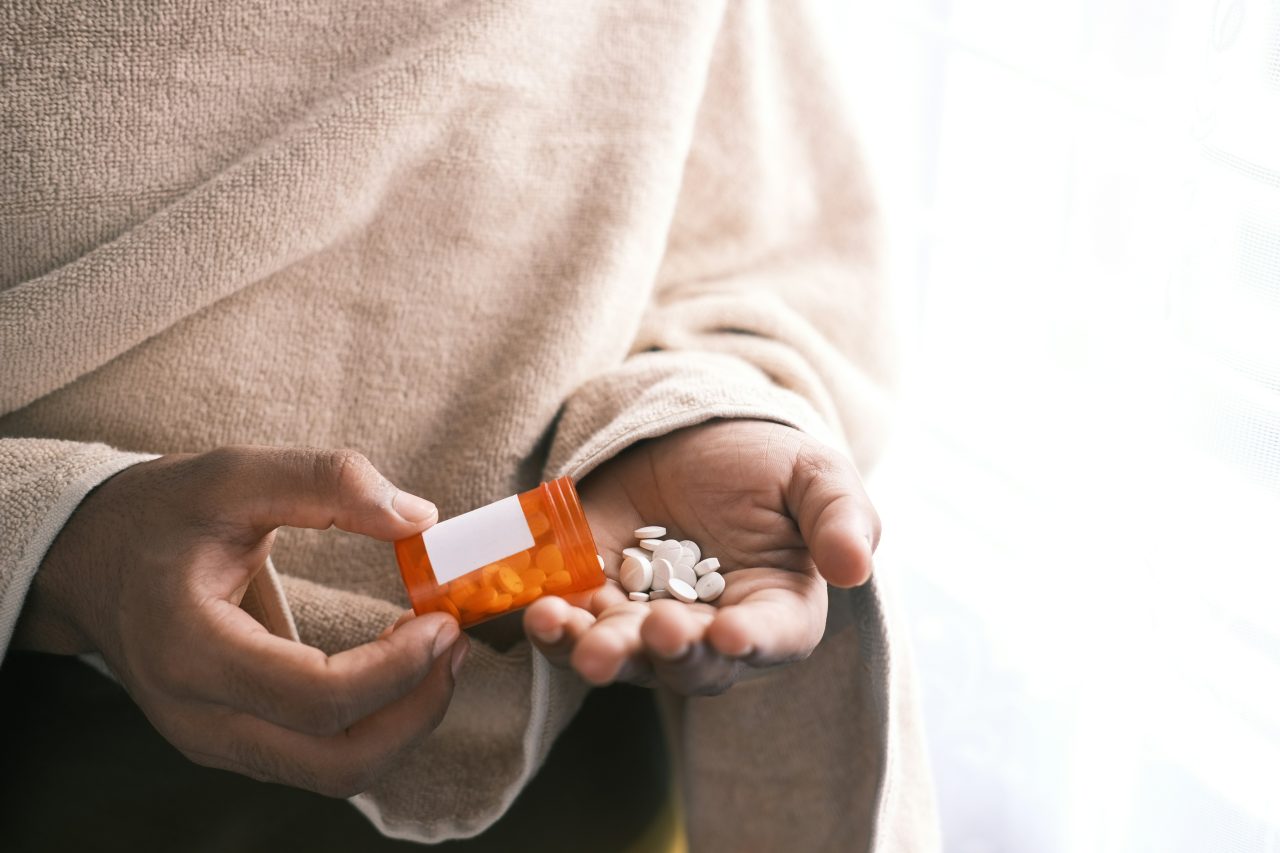
Children are naturally curious creatures. They explore the world through touch, taste, and investigation—which makes everyday household items potentially dangerous. When it comes to medications, this curiosity can have serious consequences. That’s why creating a safe environment around medicines isn’t just good practice; it’s absolutely essential for every family home.
Understanding the Risks in Your Medicine Cabinet
Your medicine cabinet might seem harmless to you, but through a child’s eyes, it’s filled with colourful, interesting objects just waiting to be explored. Children can’t distinguish between sweets and medication—to them, those bright red pills might look remarkably similar to their favourite treats.
The risks extend beyond prescription medications. Over-the-counter medicines, vitamins, and even topical treatments can be dangerous if consumed by curious little hands.
Even medicines that seem child-friendly can pose risks. Children’s medications, whilst designed with safety in mind, can still be dangerous if taken in large quantities or by the wrong age group. A toddler getting into their older sibling’s medication can face serious health complications.
The Importance of Child Resistant Packaging
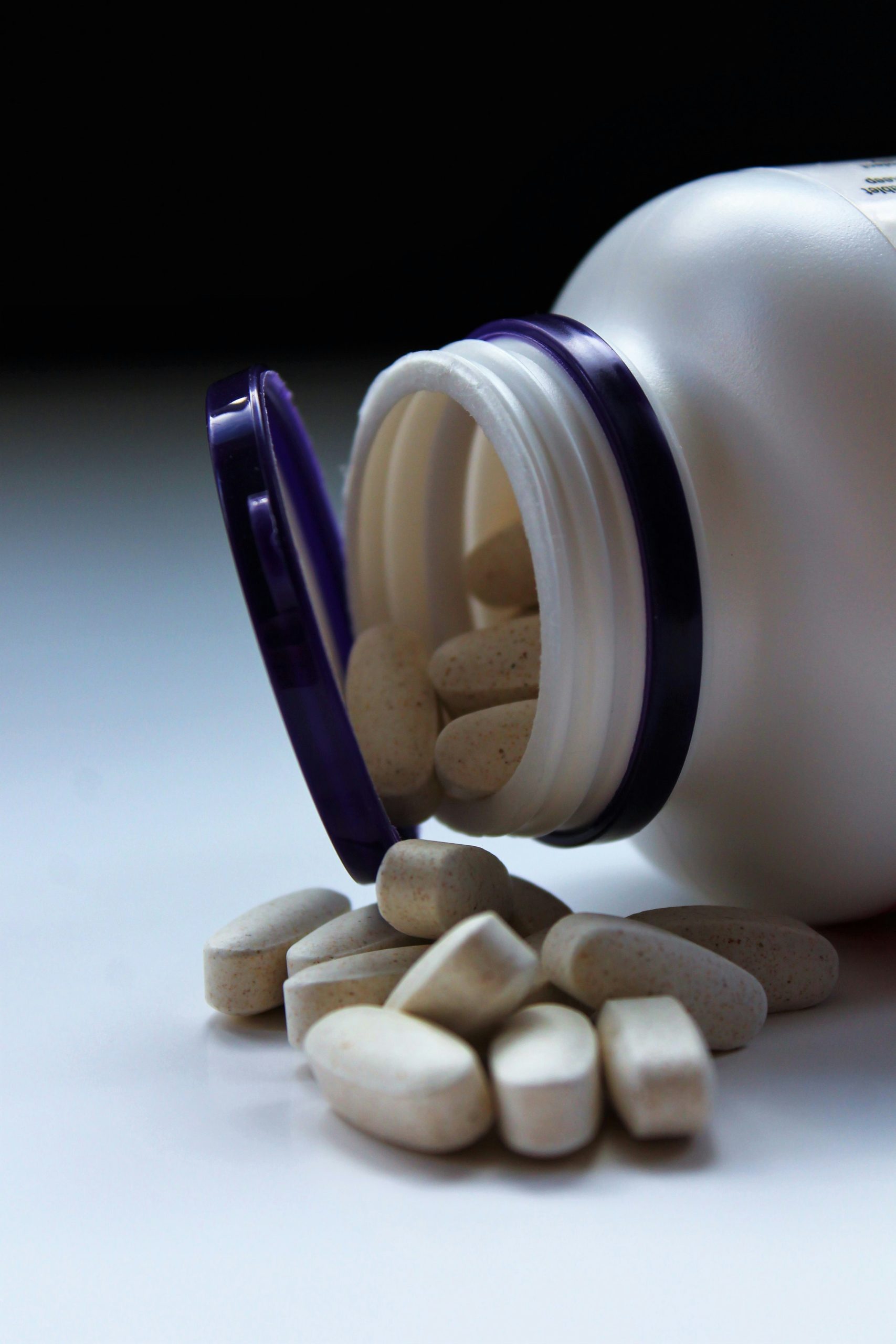
One of your first lines of defence against accidental poisoning is child resistant packaging. These specially designed containers require a combination of movements that young children typically can’t master—such as pressing down whilst turning, or squeezing two sides simultaneously whilst lifting.
However, it’s crucial to understand that child resistant doesn’t mean child proof. These packages are designed to be difficult for children under five to open, but they’re not impossible barriers.
Child resistant bottles are particularly effective for liquid medications, which can be especially appealing to children. The combination of bright colours and sweet flavours in many children’s medicines makes proper storage even more critical.
When using child resistant packaging, always ensure you’re closing containers properly. That quick twist without the proper push-and-turn motion might leave the bottle effectively unlocked, defeating the safety mechanism entirely.
Creating a Secure Medicine Storage System
The best medicine cabinet safety starts with location. High, locked cabinets are your gold standard—somewhere that’s completely out of reach and out of sight of curious children. The traditional bathroom medicine cabinet, whilst convenient, often isn’t the safest option if it’s within climbing reach.
Consider installing a proper medicine safe or lockbox. These secure storage solutions ensure that even if children discover where medicines are kept, they can’t access them. Many modern medicine cabinets include temperature controls, which help maintain the effectiveness of medications.
For families with older children who might need access to their own medications, creating a supervised system works well. Keep their medicines in a separate, clearly labelled section that you can monitor whilst still allowing appropriate independence.
Temperature and humidity matter too. Many medications lose their effectiveness when stored in steamy bathrooms. A cool, dry cupboard away from direct sunlight often provides better storage conditions whilst maintaining security.
Teaching Children About Medicine Safety
Age-appropriate education plays a vital role in medicine safety. Even young children can understand basic concepts about medicine being “grown-up medicine” that’s only for adults to give them. Avoid calling medicine “sweets” or making it seem like a treat—this can create dangerous associations.
Older children can learn more detailed safety rules. Teach them never to take medicine without an adult present, never to share medications with friends, and always to ask before touching anything in the medicine cabinet. These lessons become particularly important as children gain more independence.
Make medicine time a supervised activity. Even when giving children their own prescribed medications, stay present and involved. This reinforces the message that medicine is serious and requires adult oversight.
Regular Medicine Cabinet Maintenance
Your medicine safety routine should include regular cabinet cleanouts. Expired medications not only lose their effectiveness but can become dangerous over time. Some medications develop harmful compounds as they break down, whilst others simply become less potent when you might need them most.
Check expiration dates every few months and dispose of expired medications properly. Most pharmacies accept unwanted medicines for safe disposal—never flush them down the toilet or throw them in household rubbish where children might find them.
Keep an inventory of what’s in your medicine cabinet. This helps during emergencies and ensures you notice if anything goes missing. It’s also useful for avoiding duplicate purchases and keeping track of what family members might need.
Your Family’s Safety First
Creating a safe medicine environment doesn’t require expensive equipment or complicated systems—it just needs consistent attention and the right approach. Every family’s situation is different, but the core principles remain the same: secure storage, proper packaging, and ongoing vigilance.
The small investment in child resistant bottles, secure storage, and safety education pays dividends in peace of mind. You can’t childproof everything in your home, but you can certainly make your medicine cabinet as safe as possible.





No Comments