

Image by Mart Production from Pexels
Most families dream of helping parents stay in the comfort of their own residence for as long as possible. In fact, roughly 77 per cent of adults over 50 hope to age in place rather than move to a facility. However, safety concerns regarding falls or wandering often create anxiety for loved ones.
The three essential ways to age safely at home include adapting living spaces, establishing consistent daily routines, and leveraging assistive technology. These strategies work together to reduce physical hazards and cognitive load.
Grounding the Need
Understanding the risks is the first step toward mitigation. “Aging at home” means remaining in one’s current residence, while “aging in place” emphasizes staying in a familiar community. The goal is to minimise safety hazards without stripping away autonomy.
According to the CDC, falls among adults 65 and older caused over 38,000 deaths in 2021. This makes it the leading cause of injury death for that group.
This balance is often achieved through structural home modifications and modern safety wearables. For example, devices like Tranquil’s accurate GPS tracker watch for elderly loved ones can provide a necessary safety net. This allows seniors to maintain their independence while giving families peace of mind regarding their location.
| Key Insight: Successful aging in place requires balancing safety with dignity. Modifications and wearables should act as a silent safety net that empowers independence rather than feeling like restrictive surveillance. |
Strategy #1 – Adapt the Living Space
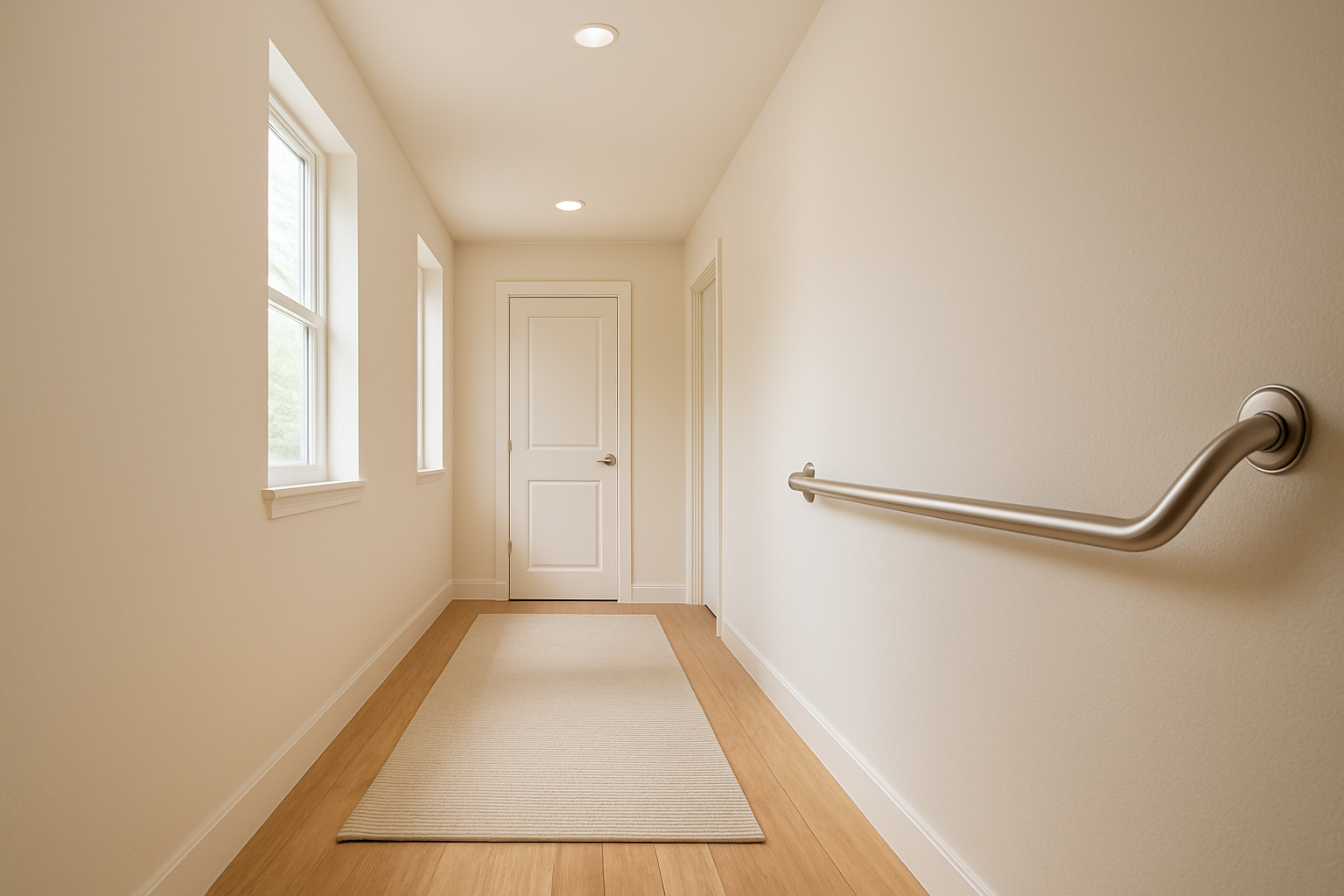
Creating a safe environment begins with a thorough assessment of the physical home. A focused 30-minute walkthrough can reveal hidden dangers that might otherwise go unnoticed until an accident occurs.
Families should actively look for common stumbling blocks like loose throw rugs or curled carpet edges. Power cords crossing high-traffic areas and cluttered walkways must be cleared immediately. In 2021, emergency departments recorded nearly 3 million visits for older adult falls.
If you are unsure where to begin, professional guidance is available. An occupational therapist can perform a full safety assessment to identify specific risks. They might recommend modifications such as installing grab bars or converting to zero-threshold showers.
Home modifications can be costly, but financial aid is often available. Veterans may qualify for the VA’s Home Improvement and Structural Alteration (HISA) grant. Certain improvements, like wheelchair ramps, may be tax-deductible as medical expenses.
| Pro Tip: Before paying out of pocket for major renovations, consult local Area Agencies on Ageing. Many modifications, like ramps or grab bars, may qualify for Medicaid waivers or VA HISA grants. |
Strategy #2 – Build Consistent Routines
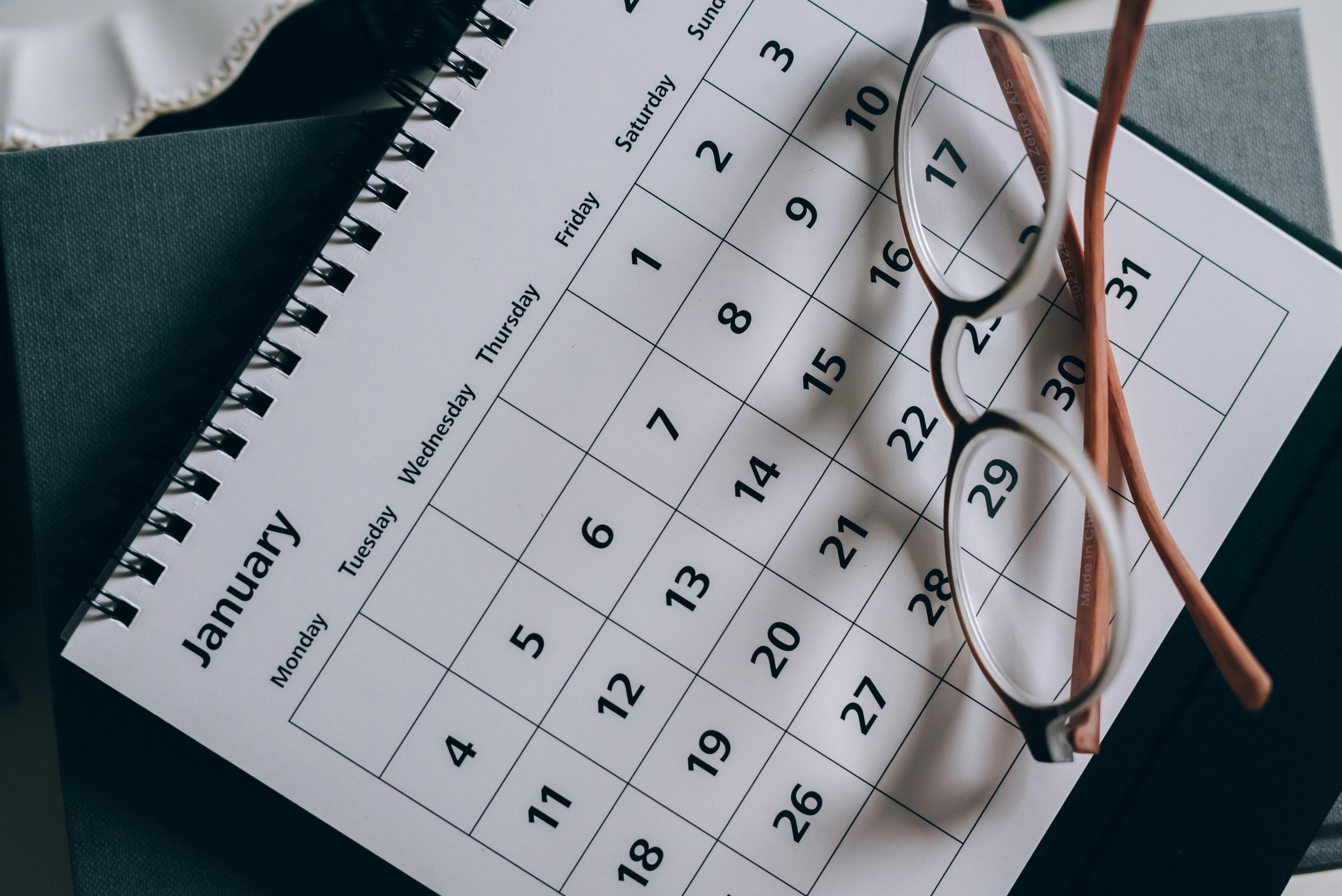 Image by Leeloo The First from Pexels
Predictability lowers anxiety, supports cognitive health, and boosts medication adherence. When a day has a reliable structure, it reduces the mental load on older adults significantly. This makes independent living much more sustainable over the long term.
Consider creating a daily schedule that includes regular meals and hydration breaks. Including a set window for phone calls or video chats with family also combats isolation effectively. Visual calendars placed on the fridge can help keep everyone on track.
“When Dad helped design his own schedule, he took ownership—and I stopped nagging.”
Strategy #3 – Leverage Thoughtful Tech
Technology can add a virtual safety net without requiring constant in-person supervision. Modern devices are designed to be unobtrusive while providing critical data to caregivers. For seniors at risk of wandering, specialised wearables offer significant protection.
Key safety features often include real-time GPS monitoring and customizable geo-fence notifications. A simple one-button interface is crucial for users who may struggle with complex smartphones. These tools ensure families always have help when needed without compromising dignity.
| Important: Avoid relying solely on standard smartphones for senior safety. Cognitive decline often makes complex menus difficult to navigate during emergencies. Always prioritize dedicated devices with one-button interfaces and long battery life. |
More on Ageing in Place
Beyond tracking, other technologies can support daily living effectively. Smart pillboxes can lock until scheduled doses to prevent double-dosing mistakes. Families should also investigate evidence-based fall-prevention programs such as Tai Chi for balance.
In 2018, 1 in 4 older adults reported falling, which equals about 36 million falls. Addressing these risks early through exercise and home adaptation is vital.
The Path Forward
Pairing smart home updates with user-friendly technology creates a powerful safety net. Start with one small action this week, such as decluttering a hallway or sketching a schedule. Revisit the plan every few months as needs evolve over time.
Remember, you are not just providing safety for your loved ones. You are preserving their dignity, independence, and the simple joy of home.
| Author Profile: Tranquil is the leading manufacturer and retailer of high-end GPS locator watches for elderly individuals and those with dementia. |






No Comments