
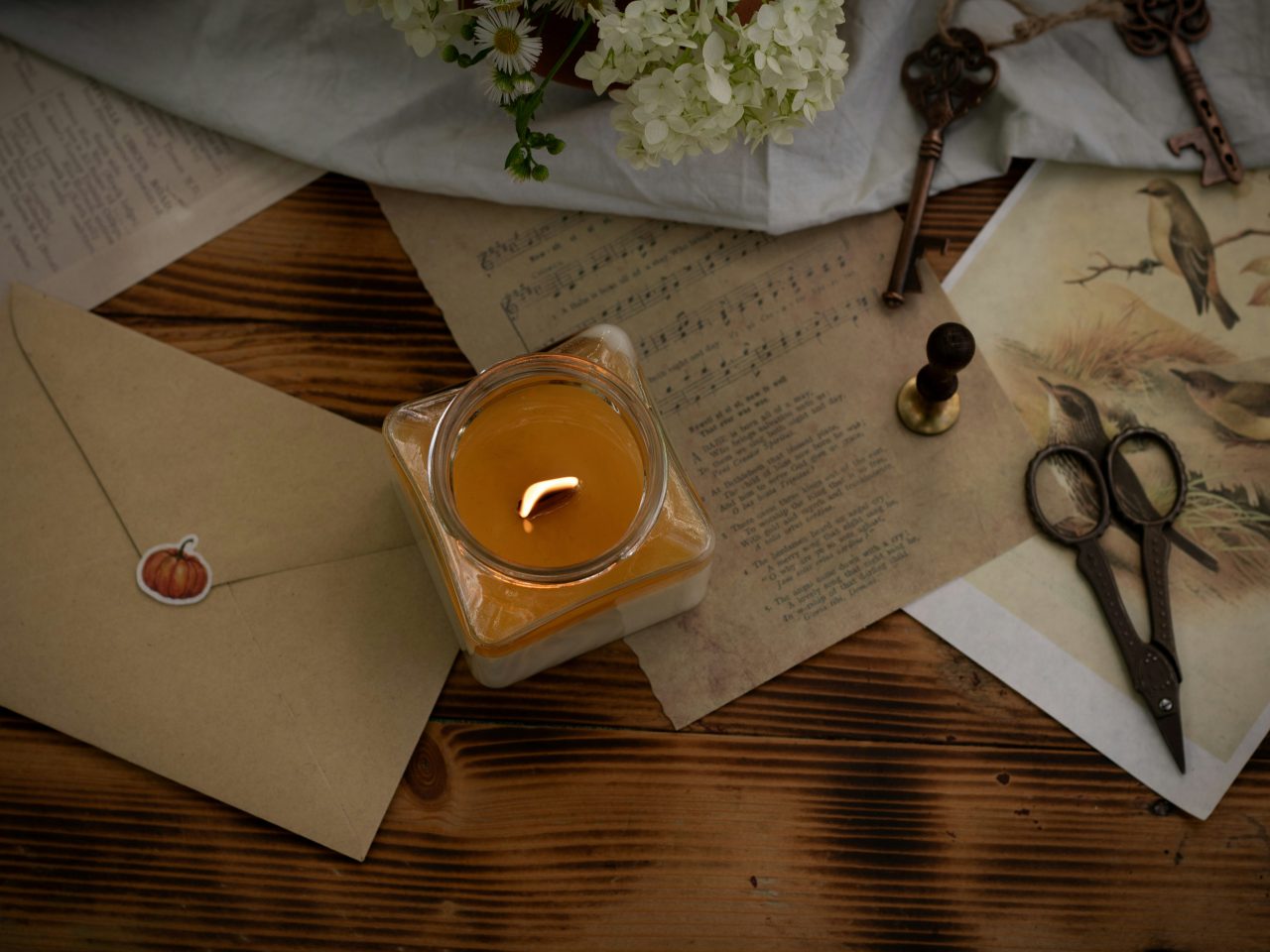
There is something undeniably comforting about the UK’s enduring “Modern Country” style. It’s an aesthetic rooted in warmth, natural materials, muted heritage hues, soft floral textiles, and an effortless, lived-in ease that invites you to slow down and kick off your muddy boots. In recent years, this nostalgic design movement – popularly known as ‘cottagecore’ – has captured the imagination of homeowners across the nation looking to turn their living spaces into calm, welcoming sanctuaries.
But there is a common misconception that to embrace this romantic look, you must reside in a stone-built thatched cottage nestled deep within the Devon countryside or a sprawling Cotswold farmhouse. The delightful reality is that cottagecore is a design mindset rather than a geographical location. Whether you live in a suburban semi, a leafy Victorian terrace, a 1970s link-detached, or a contemporary new build, you can easily infuse your rooms with rustic charm. With a few practical, family-friendly design choices, any UK house can be transformed into a warm, characterful haven filled with period-inspired soul.
Step 1: Build a Muted, Nature-Inspired Colour Palette
The foundation of any authentic cottagecore interior lies in its colour scheme. For years, stark modern whites and cool greys dominated UK homes, but modern country style asks us to pivot toward warmer, gentler tones inspired by the British countryside.
Swap clinical whites for creamy off-whites, warm buff, and gentle stone shades. Introduce depth and tranquility by incorporating sage greens, muted terracottas, warm ochres, and dusky heritage blues. Rather than sticking to a single wall colour throughout, try layering these shades across walls, skirting boards, window frames, and kitchen cabinetry to create a subtle, historic feel.
To enhance the rustic authenticity, consider using chalk-based paints or limewash finishes. These traditional wall coatings diffuse light beautifully and offer a soft, tactile patina that instantly tempers the sharp edges of modern plasterboard, giving any room a gentler, aged quality.
Step 2: Mix Antique Treasures with Modern Comforts
A common pitfall when attempting a period-inspired look is over-curating the space until it feels like an untouchable museum exhibit. True country style – especially in a bustling family home – thrives on an eclectic, relaxed mix of vintage finds and functional contemporary living.
The trick is balancing weathered, character-rich antiques with high-performing modern comforts. For instance, you might pair a scrubbed pine dining table that proudly bears the marks of decades of family meals with supportive, comfortable upholstered seating. Or, place a deep, squashy contemporary sofa adorned with soft linen cushions next to an upcycled vintage side table topped with an aged brass lamp.
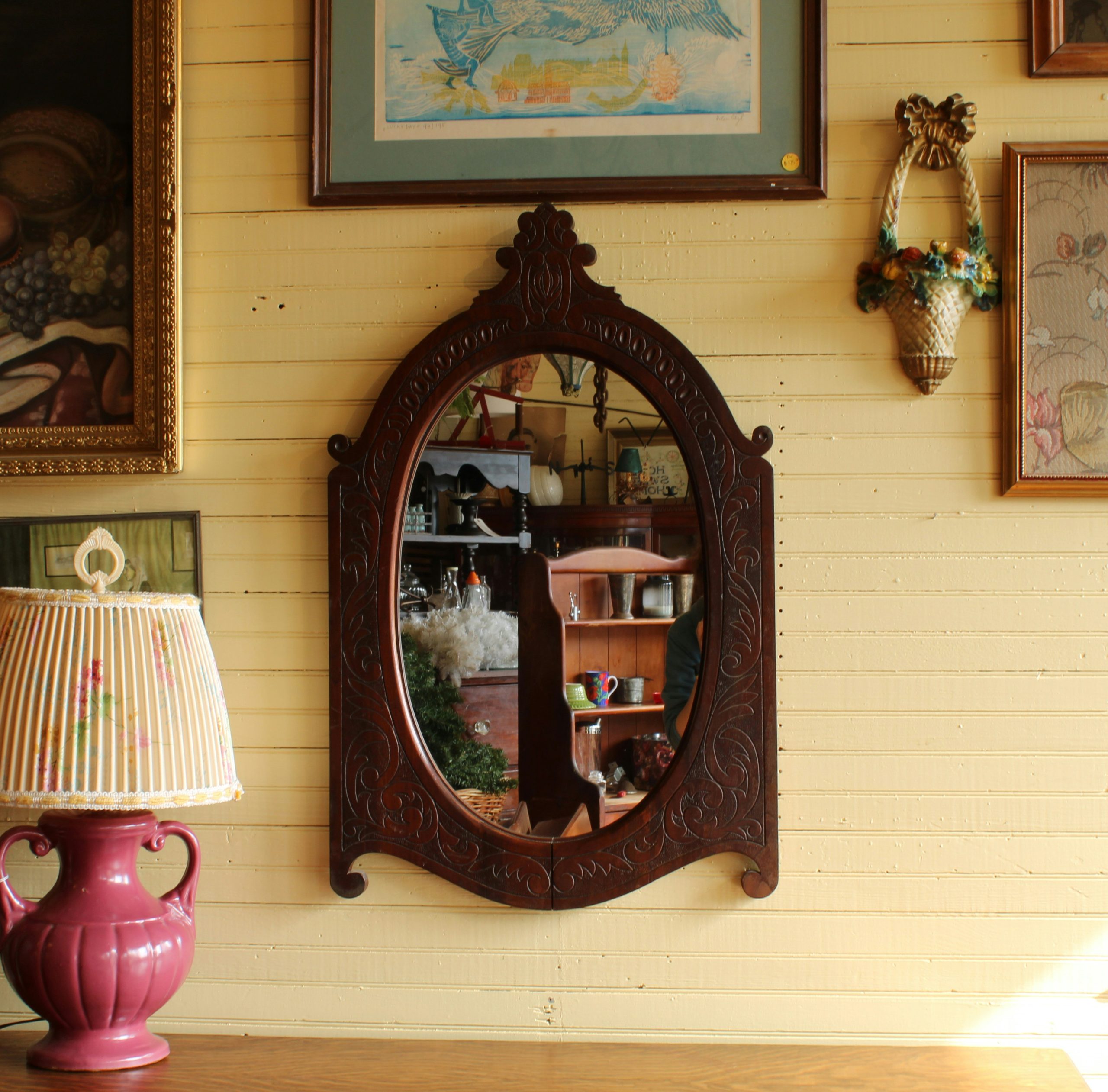
Scouring local UK car boot sales, charity shops, antique centres, and online marketplaces is half the fun. Look for pre-loved pieces crafted from solid wood, aged brass, or earthenware. These one-off treasures bring a sense of history and visual weight that mass-produced flat-pack furniture simply cannot match.
Step 3: Ground the Room with Authentic Architectural Fixtures
If your home lacks natural period features – such as exposed ceiling beams or brick fireplaces – you can easily inject structural warmth and architectural interest through deliberate carpentry and upgraded fixtures.
Simple timber installations can instantly transform plain, boxy rooms. Adding wall panelling, such as tongue-and-groove in a busy hallway or Shaker-style panelling in a dining area, adds instant texture and traditional elegance. Installing picture rails, dado rails, or mounting chunky reclaimed timber shelves on forged iron brackets breaks up vast expanses of modern wall space, providing ideal display spots for family photos and vintage books.
Pay close attention to everyday hardware, as standard modern components often break the rustic illusion. Swapping out chrome light switches and plastic door handles for antique brass, forged iron, or porcelain alternatives makes a subtle yet impactful difference to the overall feel of the room.
One of the quickest ways a room loses its period appeal is through its fixtures. Standard white panel radiators can feel harsh and clinical against a rustic backdrop. Replacing them with authentic cast iron radiators instantly grounds the space, creating a handsome architectural focal point. Beyond their timeless look, cast iron units retain heat remarkably well, keeping drafty period homes or large open-plan rooms delightfully warm long after the heating turns off.
By replacing modern utility features with tactile, period-appropriate materials, you’ll establish a sense of permanence and crafted quality that feels entirely authentic to the cottagecore ethos.
Step 4: Layer Tactile, Natural Textures
Cottagecore relies heavily on tactile richness to make a home feel inviting, snug, and ready for everyday family life. Soft furnishings are where you can truly express comfort without sacrificing practical durability.
Focus on layering natural textiles underfoot and across your furniture. Start with hardwearing base layers like natural jute, sisal, or wool loop rugs to bring raw organic texture to timber or stone floors. Toss chunky knitted wool throws over armchairs, pad wooden dining benches with soft sheepskin pads, and hang slubby, unlined washed linen curtains at the windows to gently filter natural light.
When introducing patterns, restraint is key. Mix traditional country prints subtly rather than letting one bold print dominate. Try pairing classic ditsy florals or botanical motifs with clean ticking stripes, subtle windowpane checks, or timeless gingham. Keeping the colour tones within the same earthy palette ensures the pattern mix feels cohesive rather than cluttered.
Step 5: Bring the English Countryside Indoors
The final flourish of any cottagecore transformation comes down to simple, organic styling touches that celebrate the changing British seasons. These low-cost additions bring fresh, natural energy into the home.
Ditch artificial arrangements in favour of foraged greenery. Fill heavy stoneware jugs or ceramic urns with dried hydrangeas gathered in autumn, or display loosely arranged seasonal wildflowers picked from the garden. Line kitchen windowsills with small terracotta pots planted with culinary herbs like rosemary, thyme, and mint, filling the room with comforting fragrances.
For practical family storage, opt for natural materials that double as charming decorative displays. Woven willow baskets, seagrass hampers, and exposed ceramic crockery displayed on open shelving keep everyday clutter neatly contained while maintaining an effortless country look.
Crafting a Cosy, Lived-In Family Sanctuary
At its heart, bringing cottagecore into your home isn’t about achieving picture-perfect staging or trying to turn back the clock. Instead, the aim is to create a warm, relaxed, and deeply comforting sanctuary that supports the cheerful rhythm of daily family life. By embracing earthy tones, tactile natural fabrics, characterful antique finds, and authentic period details, you can cultivate a home that feels wonderfully timeless, full of personality, and warmly welcoming to everyone who steps through the door.






No Comments