
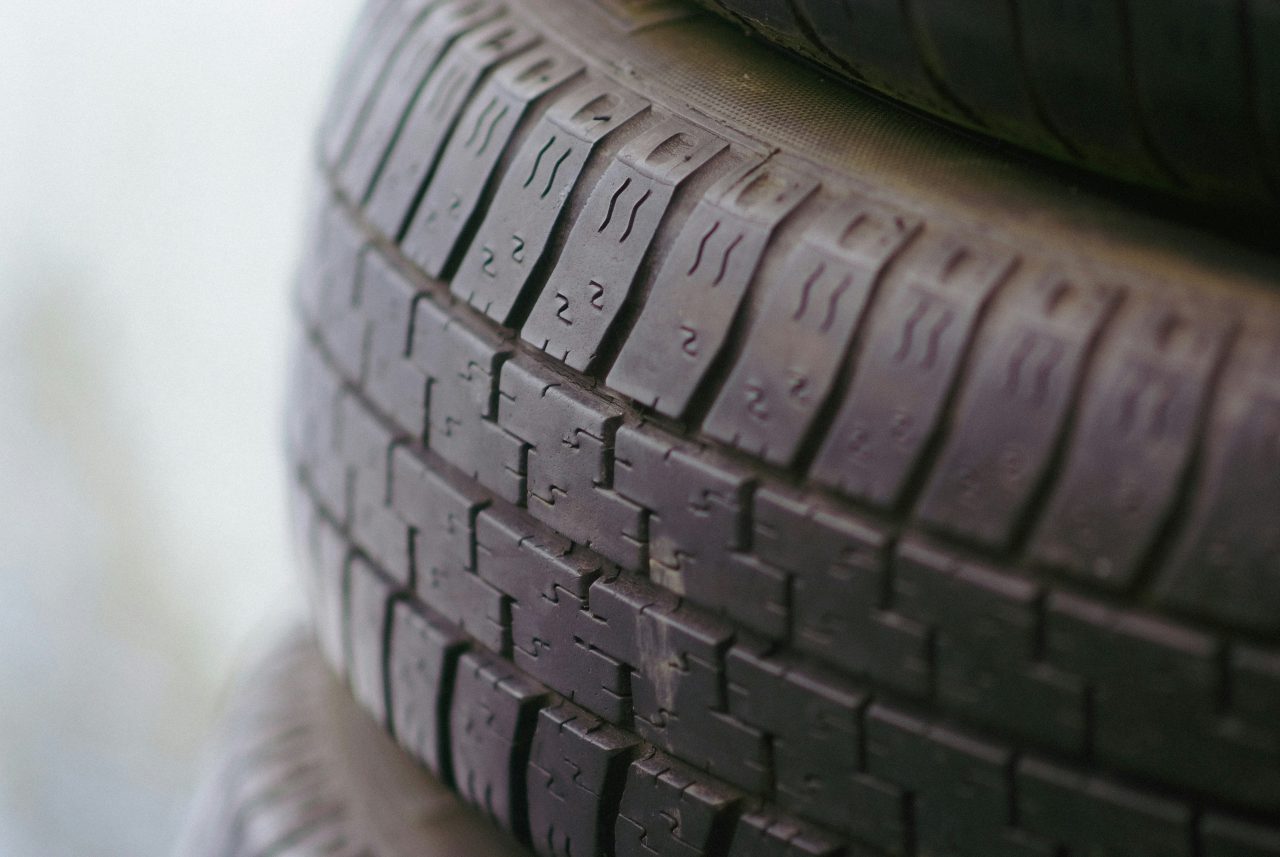
When you’re managing a household, a job, and children who all seem to need something at the same time, the car tends to get checked only when something forces the issue. And because Kia tyres are built to last, it can be easy to assume everything is fine long after the signs that something isn’t have started appearing.
The trouble is that tyre issues don’t wait for a convenient moment. They reveal themselves on the school run, on the way to a holiday, or on a stretch of motorway you really didn’t want to be stopped on. A change of season can highlight weaknesses in older Kia tyres, which is why Magowan Tyres is worth keeping in mind when replacement is approaching. Here are the warning signs worth knowing before they become a problem.
The Tread Is Getting Low
This is the most fundamental check and the one that’s easiest to do at home. Press a 20p coin into the main tread groove, if the outer band of the coin is visible, the tread is getting close to the legal minimum of 1.6mm and worth having properly assessed. Most tyre specialists recommend acting at around 3mm, particularly heading into wetter months when tread depth has a direct effect on stopping distances.
Kia tyres on a car doing regular family mileage; school runs, activities, weekend trips, can reach this point faster than the calendar suggests, especially if the car is front-wheel drive and the fronts are doing most of the work. Checking all four, not just the ones facing outward on the driveway, gives a more accurate picture.
The Car Pulls to One Side
If the car drifts left or right when you’re driving straight or requires constant small steering corrections to stay on course, that’s worth investigating. It could be a tyre pressure imbalance, which is easy to fix, but it can also indicate uneven tyre wear or a wheel alignment issue that’s been allowed to develop over time.
On a car used daily for family driving, alignment can shift gradually through normal use; potholes, speed bumps, the occasional kerb that was closer than expected. The pull might be subtle enough to feel like just how the car drives now, which is exactly why it’s easy to miss until it’s quite pronounced.
The Sidewalls Look Different
A bulge, crack, or any area of the sidewall that looks different from the rest of the tyre deserves a closer look. A bulge in particular indicates internal structural damage, often from a pothole impact, and means the tyre should be replaced regardless of how much tread remains. It won’t improve on its own, and a tyre in that condition isn’t something to rely on for a longer journey.
Sidewall cracks can develop on tyres that are ageing even when the tread still looks reasonable, rubber deteriorates over time regardless of mileage, and a tyre that’s several years old may be showing its age in the sidewall before the tread tells the story.
There’s a New Vibration You Can’t Explain
A vibration through the steering wheel or through the seat that wasn’t there before can point to several things; unbalanced wheels, a tyre that’s wearing unevenly, or in some cases internal tyre damage. It’s the kind of thing that’s easy to adapt to and stop noticing, which is precisely what makes it worth paying attention to when it first appears.
For a family car, vibrations that develop gradually and get normalised into the background tend to be discovered properly only when something more obvious forces an inspection. Getting it checked when the symptom is new is almost always simpler and less expensive than when it’s been left to develop.
One Tyre Keeps Losing Pressure
A tyre that needs topping up regularly isn’t simply a case of having a slightly leaky valve, it’s a sign that something is wrong and worth finding out properly. It could be a slow puncture from a nail or screw sitting in the tread, a failing valve, or a seal issue between the tyre and rim.
Running a Kia tyre consistently underinflated causes it to wear faster and unevenly, affects fuel consumption, and changes how the car handles in ways that build up gradually. For a family car that needs to be reliable every day, a tyre that won’t hold its pressure properly is worth sorting rather than repeatedly refilling.
Tyre issues tend to fall into that category of things that feel like background noise until something stops the day in its tracks. None of these signs require mechanical knowledge to spot, just knowing what to look for and taking a few minutes every couple of weeks to actually look. It’s one of those small habits that pays back considerably more than the time it takes.






No Comments