
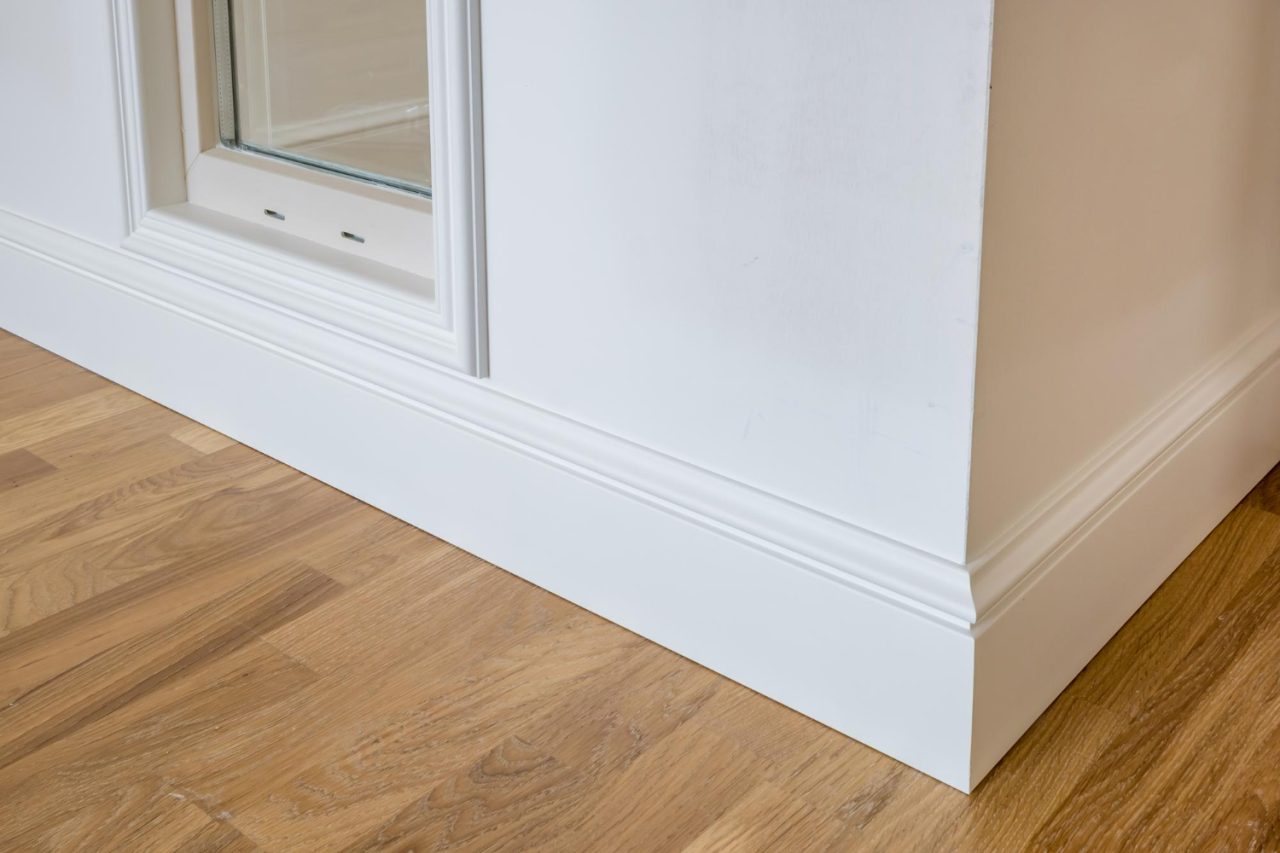
Skirting boards are more than just a way to hide gaps between the wall and floor. They protect walls, frame rooms, and contribute to the overall look of a home. Choosing the right height for your skirting boards is an important decision, as it affects how your space feels and looks.
Many people assume skirting height is simply a design choice, but it also depends on ceiling height, room size, architectural style, and even the furniture in your home. Understanding these factors will help you choose skirting that looks balanced and enhances your interiors, but tune into the expert advice from MR Mouldings, on how skirting can elevate and bring to life a dull space.
Why Skirting Board Height Matters
Skirting boards are often one of the first things you notice when entering a room. Tall skirting boards can create a sense of elegance and grandeur, while shorter profiles work well in smaller or more modern spaces. The wrong choice can make a room feel cramped or out of proportion.
Getting the size right helps tie the whole design together. In traditional homes, tall skirting boards are part of the character and history of the building. In contrast, sleek, low skirting boards often suit new-builds or minimalist interiors.
Standard Skirting Board Heights
Most skirting boards are between 100mm and 150mm in height. However, there’s no single standard size; it’s about choosing what works for your space.
- 100mm (4 inches): Perfect for contemporary homes with low ceilings or where a minimal look is desired.
- 120mm (5 inches): A versatile choice that suits most modern properties and smaller rooms.
- 150mm (6 inches): Popular for larger homes, period properties, and rooms with higher ceilings.
- 180mm+ (7 inches or more): Creates a bold statement, often used in grand or traditional interiors.
When in doubt, measure your ceiling height and choose a size that feels proportionate.
Ceiling Height and Proportion
The main factor in choosing skirting height is your ceiling height. A general rule is that higher ceilings benefit from taller skirting, while low ceilings look better with smaller skirting to avoid overwhelming the space.
For ceilings around 2.4m, skirting boards between 100mm and 120mm work well. For ceilings around 2.7m, 150mm skirting is a balanced choice. In very tall rooms, skirting boards of 180mm or more add elegance and visual interest.
This proportional approach ensures your skirting boards enhance rather than dominate the room.
Matching Skirting with Architraves
Skirting boards and architraves should complement each other to achieve a cohesive look. Traditionally, architraves are slightly narrower than skirting boards. For example, if you choose a 150mm skirting board, a 70mm or 90mm architrave will create the right balance.
Matching profiles also helps maintain consistency. Whether you choose ogee, torus, bullnose, or square-edge styles, using the same profile across skirting and architraves ties the whole design together.
Style Considerations
Your home’s style should influence your choice.
- Modern homes: Sleek, square-edge skirting in a lower height creates a clean, minimalist aesthetic.
- Traditional homes: Taller, decorative skirting with detailed profiles adds charm and suits period features.
- Eclectic or transitional interiors: A mid-height skirting board offers flexibility, working well with both classic and contemporary design elements.
For design inspiration, websites like theVictorian Society showcase traditional moulding and skirting designs, which can be recreated with MDF for a modern, cost-effective solution.
The Benefits of MDF Skirting Boards
Medium Density Fibreboard (MDF) is one of the most popular materials for skirting boards. It’s affordable, easy to paint, and comes in a wide range of sizes and profiles. Unlike natural timber, MDF doesn’t have knots or grain, giving a smooth finish ideal for modern interiors.
MDF is also resistant to warping and shrinking, making it perfect for areas with changing temperatures, like hallways and kitchens. Many suppliers now offer moisture-resistant MDF, which is a practical choice for bathrooms and other damp-prone areas.
For homeowners looking for a consistent and durable option, MDF skirting boards are an excellent investment.
Colour and Finish
The height of your skirting boards will affect how they look when painted. Taller skirting boards painted in a contrasting colour create a bold feature, while smaller boards painted the same colour as the walls create a more seamless effect.
Gloss or satin finishes are common because they’re durable and easy to clean, while matte finishes are popular in modern design. Before painting MDF skirting, priming is essential to achieve a smooth, lasting finish. The Dulux guide to interior finishes is also a great resource for choosing the right paint for your skirting boards, as long as primer has benn applied.
Practical Factors to Keep in Mind
Aside from aesthetics, practical factors like furniture placement and wall protection should influence your choice. Taller skirting boards offer more protection against scuffs from chairs, vacuum cleaners, and daily wear and tear, making them ideal for high-traffic areas like hallways.
Think about your flooring, too. Skirting boards create a transition between wall and floor, so their size and colour should complement your flooring choice, whether it’s carpet, wood, or tile.
Custom Heights for a Perfect Fit
If standard heights don’t feel right, custom skirting board sizes are widely available. Custom mouldings are a great choice for homeowners renovating period properties or creating a bespoke look. MDF is particularly easy to cut and manufacture in non-standard sizes, making it simple to get the exact look you want.
Custom skirting is also a smart solution if your home has uneven walls or floors, ensuring a neat and tailored fit.
Installation Tips
Once you’ve chosen your skirting board height, proper installation is key to achieving a professional finish. Mitre joints and careful measuring ensure a smooth transition at corners. Filling gaps and caulking the top edge before painting creates a flawless look.
If you’re unsure about installation, a professional carpenter can ensure your skirting boards are fitted perfectly, especially in older homes where walls may not be level.
Final Thoughts
Choosing the right height skirting board is about balancing style, proportion, and practicality. Taller skirting boards create drama and elegance, while smaller boards suit modern, minimalist interiors. MDF is a versatile choice for all styles, offering durability, affordability, and a smooth finish that’s easy to customise.
Take time to measure your ceilings, consider your design style, and think about practical needs. Whether you go for a sleek, low-profile skirting or a bold, traditional look, the right choice will tie your rooms together and add lasting value to your home.







No Comments