
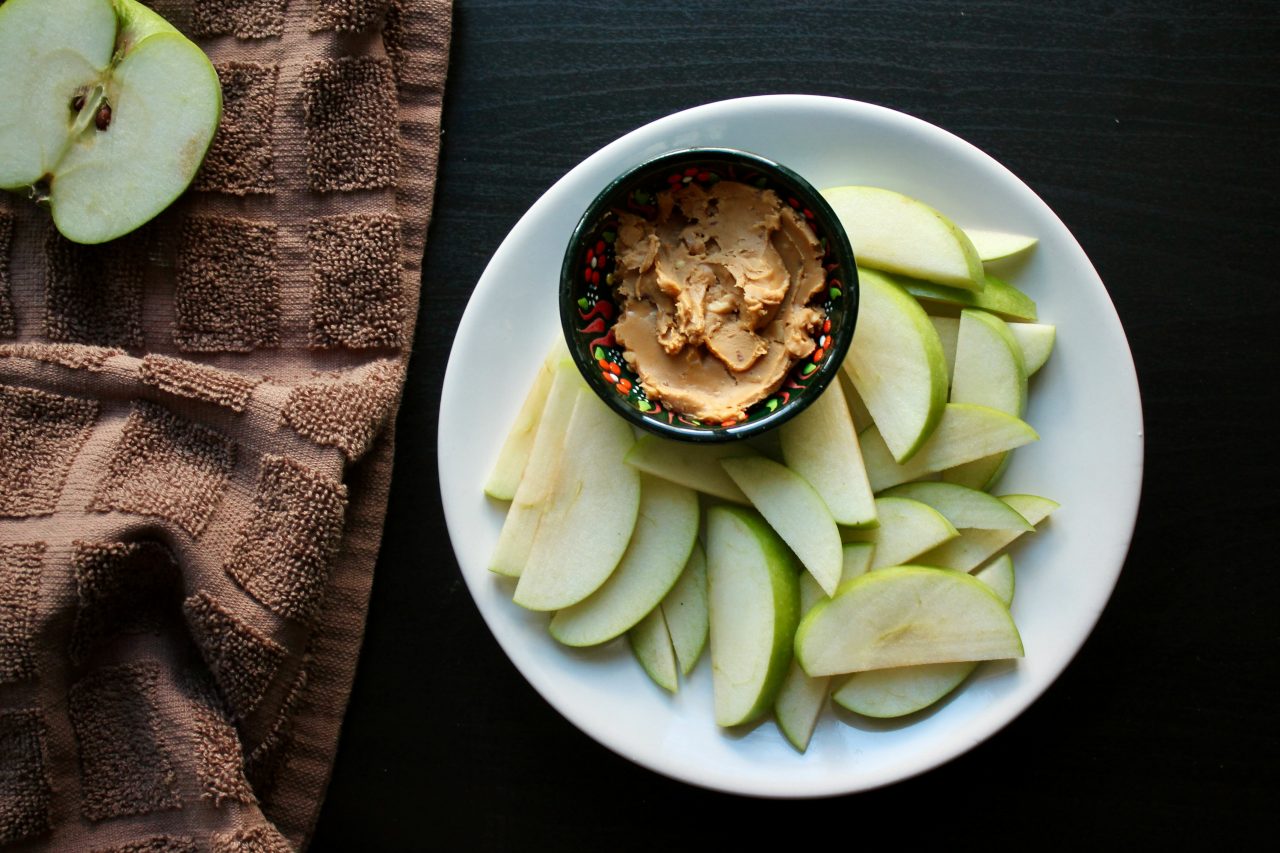
Snack time is often treated as a quick fix between meals, something to keep hunger at bay until dinner. Yet those few minutes can also be a chance to reconnect and build small routines that children come to look forward to. Making it feel special does not mean more effort in the kitchen.
A little thought about presentation and a few shared choices can turn an ordinary break into something the whole family enjoys, without adding pressure to an already busy day.
Turn Snack Time into a Shared Routine
Children often respond well to rhythm, and a regular snack time gives the day a familiar anchor. It might be the moment everyone gets home from school or a mid-afternoon break at the weekend. Where possible, sit down together rather than eating on the move. Inviting children to help set out napkins and cups gives them a small role and a sense of ownership over the occasion.
That said, family life rarely runs to a strict timetable. Some days snack time will happen in the car on the way to an after-school club, and that is fine. The aim is a loose habit that brings people together when it can, not another commitment to keep up with.
Offer a Simple Mix of Familiar Foods
Snack time does not need anything elaborate. Familiar favourites such as fruit and yoghurt work well, as do slices of cheese or a few crackers. Keeping things recognisable means less negotiation and more time to enjoy each other’s company.
An occasional sweet treat can mark something worth celebrating. For a special family occasion, shortbread biscuits can be served in small portions alongside fruit and drinks, turning a regular afternoon into a small celebration. Saving treats for occasional moments helps them keep their sense of occasion.
Add Fun Through Presentation and Choice
How food is served can make as much difference as what is served. Arranging snacks on a small platter or sharing board instantly makes them feel more inviting. You might try a colour theme, such as a rainbow plate built from different fruits, or lay a blanket on the living room floor for an indoor picnic when the weather turns.
Choice is another easy win. Offering children two or three parent-approved options lets them feel involved while you stay in charge of what is on offer.
Whatever you serve, keep presentation sensible for the ages at the table. Younger children may need foods cut into smaller pieces, and items such as whole grapes and nuts are widely recognised choking risks. Encourage everyone to stay seated while eating and keep an eye on little ones throughout.
Create Moments Worth Remembering
A snack break is a natural time to talk. Simple prompts such as “What made you laugh today?” or “If you could have a picnic anywhere, where would it be?” can open up conversations that do not always happen over a rushed dinner. Quick games like I Spy or guessing a fruit with your eyes closed add a playful element too.
When the weather allows, take snack time outside. A garden or local park makes even the simplest plate feel like an outing. Ultimately, it is rarely the food that children remember. Attention and togetherness, rather than elaborate preparation, are what make family snack time feel truly special.






No Comments