
What if you could step back in time to the age of the dinosaurs, or take a stroll through a city that exists only in an architect’s mind? The limitations of physical reality have always bound our exploration. We’ve relied on static images, written descriptions, or flat videos to understand worlds we can’t physically inhabit, whether they’re ancient, fictional, or impossibly distant. But a revolutionary technology has shattered those barriers: 3d walkthrough animation. This immersive medium allows us to journey into the heart of the unseen. Unlike a traditional film that simply shows you a story, a 3d animation walkthrough places you inside the narrative, giving you a sense of personal exploration and discovery. It transforms the abstract into a tangible, navigable world, making it a powerful tool for education, visualization, and pure wonder.
What is 3D Walkthrough Animation? A Gateway to Other Realities
At its core, 3d walkthrough animation is the art of creating a photorealistic, three-dimensional digital environment and then making a virtual camera path that moves through it. The process is meticulous. A team of skilled artists builds the entire scene from the ground up, adding detailed textures, realistic lighting, and subtle environmental effects. This isn’t just a simple video; it’s a dynamic, first-person experience that gives you the sensation of being present within the scene. The subtle movement of the camera, the way it pans around a corner or focuses on a specific detail, is what differentiates it. It gives the viewer a sense of agency, as if they are the ones doing the exploring. This 3d architectural visualization walkthrough transforms static blueprints, scientific data, and historical records into a living, breathing experience that can be understood intuitively.
Beyond the Screen: Why a Walkthrough is More Powerful than a Still Image
A high-quality still image or a brief video clip is enough. But consider the difference between a map and a journey. A map is helpful, of course—it tells you where you are and where you’re going. But it can’t convey the feeling of the wind on your face, the smell of the forest, or the surprise of a sudden vista opening up. A 3d rendering walkthrough is that journey. It provides a dynamic sense of motion and perspective that a static image simply can’t. This isn’t about just showing you an object; it’s about showing you its relationship to everything else around it. It allows for a more holistic understanding of a space, whether it’s the 3d building walkthrough of an unbuilt skyscraper or a tour of a historical site. This dynamic experience makes the information more memorable and enhances storytelling by giving the viewer a sense of personal discovery.
The Applications: Exploring the Unseen Across Disciplines
The applications of this technology are incredibly diverse, reaching far beyond the confines of real estate or product design. It’s a tool for exploration, education, and innovation across a multitude of fields. This is the power of a 3d architecture walkthrough to bring a vision to life.
- Paleontology: Scientists and educators can use 3d walkthrough animation to reconstruct and explore the world of dinosaurs, visualizing their habitats and behaviors in a way that static museum dioramas cannot. You can walk alongside a T-Rex in its natural environment, a truly awe-inspiring experience.
- Architecture & Urban Planning: Before breaking ground, a client can take an architectural 3d walkthrough animation of their future home or office. It allows for better design, public feedback, and early identification of potential issues.
- Medicine & Biology: Complex processes and structures within the human body can be navigated with a 3d walkthrough animation, from the intricate folds of the brain to the inner workings of a cell, for educational and surgical planning purposes.
- Astronomy: It can make the vastness of space accessible, allowing us to journey through distant galaxies, nebulae, and solar systems that would otherwise be impossible to see.
- History & Archeology: Historians can recreate and “walk through” ancient civilizations like the Roman Forum or a lost city, providing a tangible connection to the past that a textbook cannot.
Case Studies in Immersion: From Data to Discovery
Let’s look at a couple of examples where this technology made a real impact. A team of archeologists was struggling to secure funding for an excavation of an ancient Mayan city, as a lack of visual materials made it difficult to convey the project’s importance. They partnered with a 3d interior visualization studio to create a stunning 3d walkthrough for interior design of a partially excavated temple. The animation brought the faded frescos and worn stonework to life, revealing what the temple looked like in its prime. This immersive experience was so compelling that it secured significant grants and brought the project into the public eye. In another case, a team of biologists created a 3d walkthrough animation of a human cell to explain the complex process of protein synthesis. The animation, which allowed students to “walk through” the cell and see each organelle in motion, was a massive success, leading to a much deeper understanding of the subject matter than traditional diagrams or videos ever could.
The Future of Exploration: What’s Next for 3D Animation?
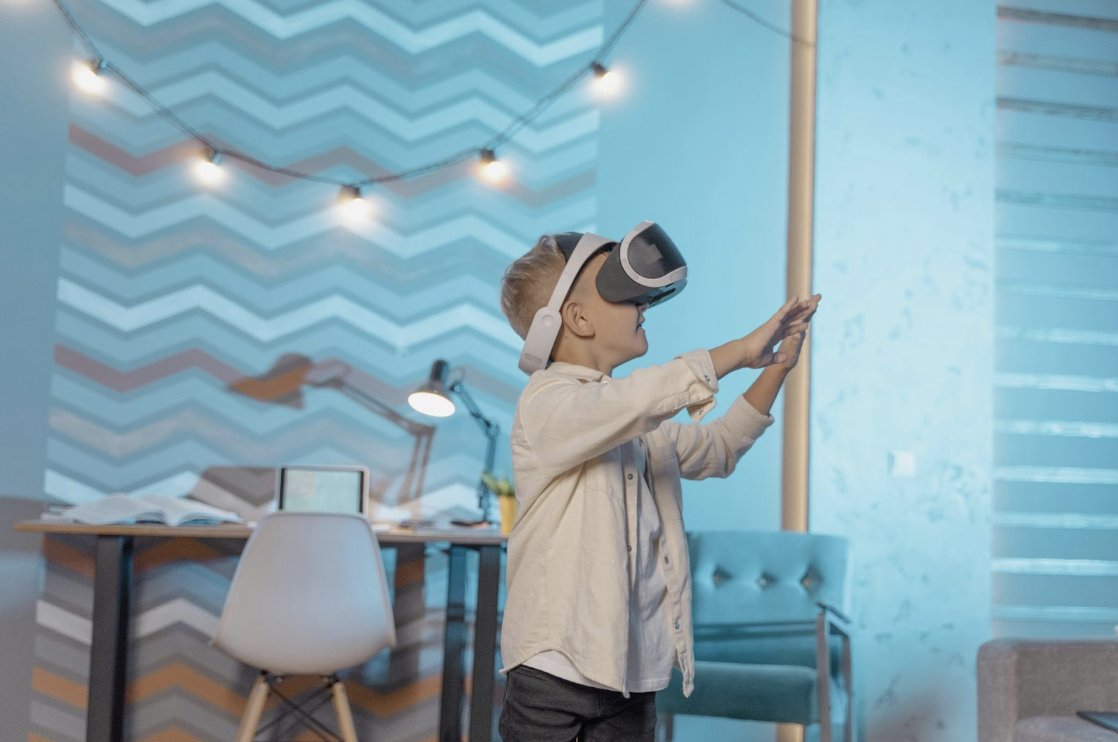
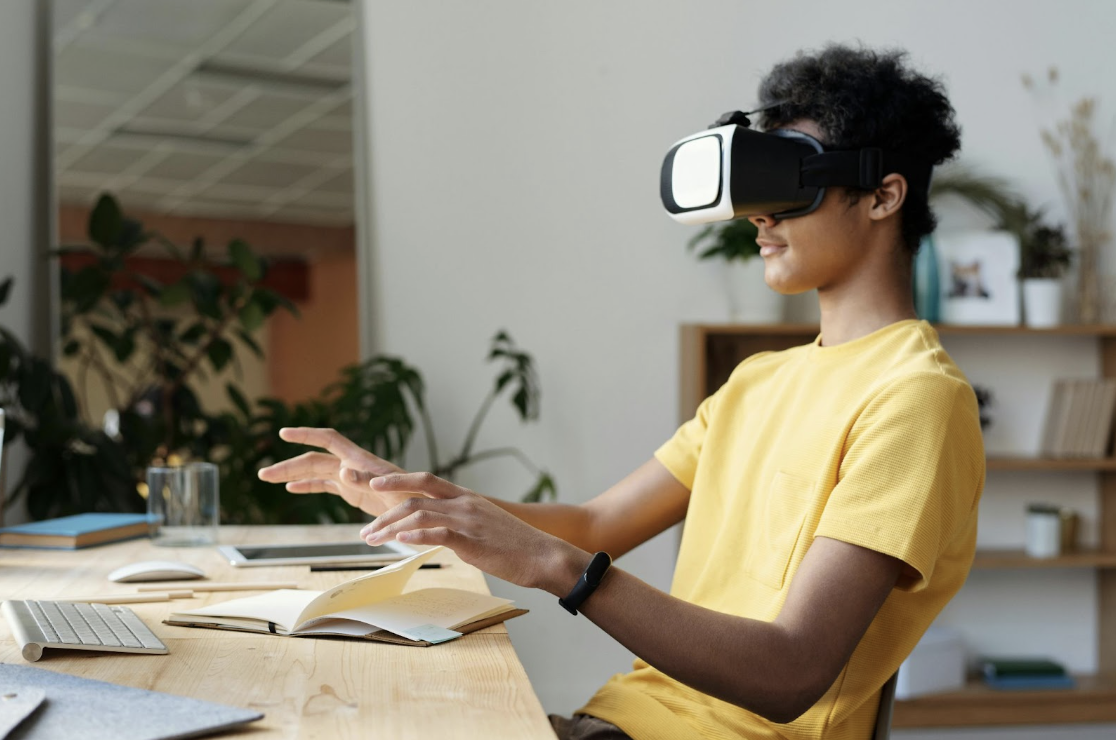
The future of 3d rendering walkthrough is inspiring. As virtual reality (VR) and augmented reality (AR) technologies become more mainstream, these animations will become even more immersive. Imagine a client walking through their future home using a VR headset, with the ability to open a door or change a material with a flick of the wrist. We are also seeing new applications in complex data visualization, where scientists can virtually “walk” through massive datasets to find patterns that would be invisible in a two-dimensional format. This technology is not just for designers and scientists; it’s on the verge of becoming a new medium for personal storytelling and virtual tourism, making distant wonders accessible to everyone. The journey is truly just beginning.
Conclusion
3d animation walkthrough has proven itself to be a revolutionary tool that transcends the limitations of space and time. It is a medium that allows us to explore, understand, and connect with realities that are either gone, yet to be built, or simply too large or too small for the human eye to perceive. This technology is no longer just a visual aid; it is a fundamental medium for exploration, a key that unlocks new possibilities across disciplines. It allows us not just to see, but to experience truly, the unseen world around us, from the tiniest particles to the most massive galaxies.







No Comments