
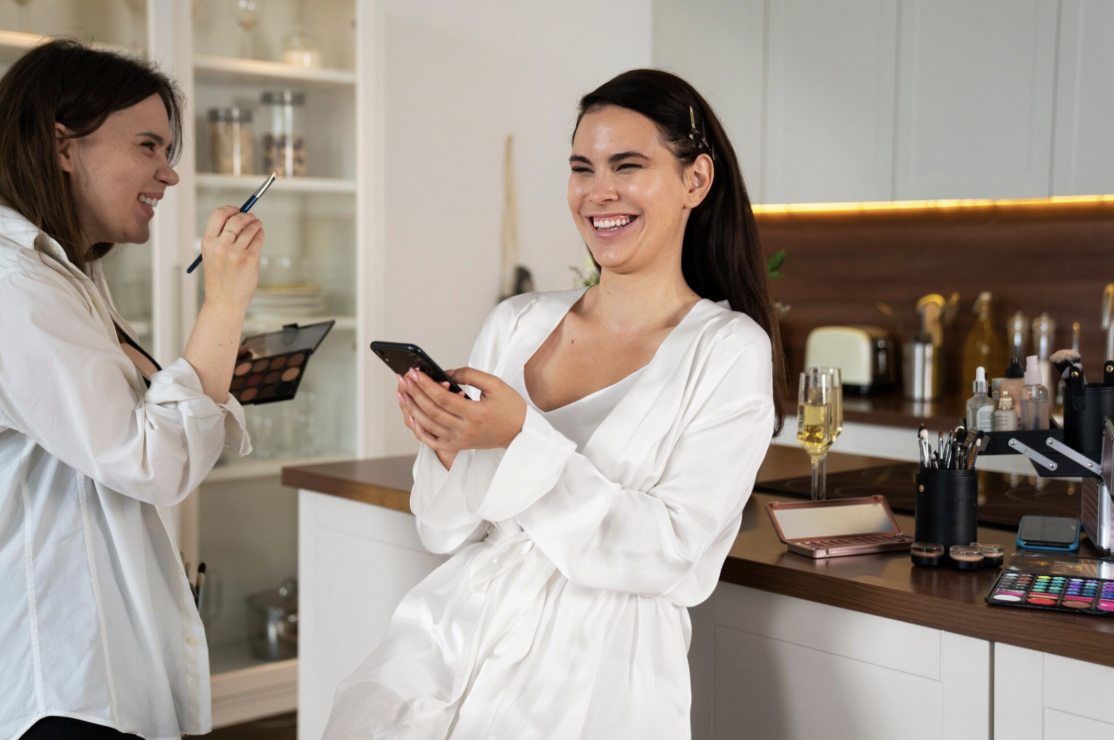
Header image source: Magnific
In the UK, over 86% of beauty industry workers are female, and 58% are self-employed. For working mums, beauty therapy is one of the few skilled trades that genuinely fits around school hours, childcare, and family life.
All-in-one scheduling platforms like Booksy Biz, Fresha, and Treatwell have made running a solo beauty business significantly more practical by handling bookings, payments, and client management automatically.
In this guide, we’ll break down how these platforms work, how mums are structuring real businesses around them, and what you need to get started.
TL;DR:
- Over 58% of UK beauty workers are self-employed, and the sector is 86% female, making it one of the most mum-friendly trades to enter
- All-in-one salon booking systems like Booksy Biz handle appointments, payments, deposits, and client reminders automatically, removing the admin burden from solo operators
- Most mum-run beauty businesses structure their week around school hours using platform availability settings, deposit policies, and automated reminders to protect limited working time
- Startup costs are low: insurance from £47 per year, free HMRC sole trader registration, and platform subscriptions from £0 to £20 per month
What Is an All-in-One Scheduling Platform?
An all-in-one scheduling platform is software that replaces the manual work of running a beauty business. Instead of managing bookings by text, chasing payments by hand, and keeping client notes in a notebook, the platform handles all of it automatically.
A salon booking system like Booksy Biz lets clients book online 24/7, sends automated reminders to reduce no-shows, collects deposits upfront, and stores client history in one place. Fresha and Treatwell work similarly, with the added benefit of a consumer marketplace that brings new clients directly to your calendar without any extra marketing effort on your part.
Why Beauty Is One of the Best Fits for Flexible Self-Employment
Beauty therapy suits self-employment in a way that most skilled trades do not. Appointments are short, self-contained, and easy to schedule in blocks. The work is portable, meaning a qualified therapist can operate from a home salon, visit clients directly, or do both.
The numbers reflect this. In the UK, 86% of beauty workers are female, 58% are self-employed, and 40% operate from home or as mobile therapists. Consumer demand for at-home treatments is also rising, driven by clients who value convenience.
Beauty therapy also has comparatively low startup costs:
- NVQ Level 2 and 3 qualifications are available at local colleges and online
- Mobile insurance starts from around £47 per year
- Equipment for core treatments is portable and affordable
- Platforms like Fresha and Booksy Biz replace the need for a receptionist or dedicated admin
How Mums Are Actually Building Their Schedules Around Family Life
Working mums in beauty self-employment typically structure their week around fixed family commitments rather than around client demand. The scheduling platform makes this possible because it only shows clients the availability the therapist sets, nothing more.
A common pattern looks like this:
- School-hours slots from 9am to 2:30pm for daytime clients
- Two or three evening slots per week for clients who are also parents
- Weekends kept fully open or reserved for higher-rate bookings
- Deposit requirements on all appointments to protect limited working hours
- Automated reminders sent 24 and 48 hours before each appointment to reduce last-minute cancellations
The platform handles reminders, payments, and rebooking prompts automatically, which removes the admin that would otherwise fill the gaps between appointments.
Getting Started: What You Actually Need
Most working mums entering beauty self-employment already hold relevant qualifications or can complete them part-time. The setup process is straightforward and follows a clear sequence.
The core requirements are:
- NVQ Level 2 in Beauty Therapy as a minimum, with Level 3 recommended for a broader treatment menu
- Public liability and treatment insurance, starting from around £47 per year
- A DBS check, required by most booking platforms and expected by clients
- Registration as a sole trader with HMRC, which is free and takes around 10 minutes online
- A booking and payment platform set up with your availability, services, and deposit policy
Once these are in place, a therapist can take bookings, collect payments, and manage client records entirely from a smartphone.
The Honest Trade-Offs to Know Before You Start
Self-employment in beauty offers real flexibility, but it also comes with trade-offs that salaried work does not. Understanding these early helps avoid common problems.
The main ones to plan for:
- Marketplace platforms charge commission of 20 to 35% on first bookings from new clients, so building a loyal repeat client base quickly is important for keeping margins healthy
- Income is variable in the early months before a regular client base is established
- Making Tax Digital became compulsory in April 2026, meaning all self-employed beauty professionals must now keep digital records and submit tax returns through approved software
- Sole traders do not receive sick pay, holiday pay, or employer pension contributions, which requires separate planning
None of these make self-employment unworkable, but each one needs a practical response before launching.
Conclusion
Beauty self-employment in the UK is a practical and well-supported route for working mums, not an aspirational one. The infrastructure is already in place: recognised qualifications, affordable insurance, a growing market for at-home and mobile treatments, and scheduling platforms that handle the operational side of running a business automatically.
The combination of a portable skill set, low overhead, and software that manages bookings, payments, and client communication means a therapist can run a professional business entirely around school hours. The trade-offs are real but manageable with basic planning. For mums with existing beauty qualifications or the time to train, the gap between having a skill and running a viable self-employed business has never been smaller.
Frequently Asked Questions
What qualifications do you need to be a self-employed beauty therapist in the UK?
NVQ Level 2 in Beauty Therapy is the minimum requirement, with Level 3 recommended for a broader treatment menu. Courses are available at FE colleges, private academies, and online. Most platforms and insurers also require a valid DBS check before a therapist can accept bookings.
How do self-employed beauty therapists find clients?
Most use marketplace platforms like Treatwell, Fresha, and Booksy to generate first bookings without any marketing spend. Instagram and Facebook are the most effective channels for building a repeat client base and showcasing results.
How much does it cost to set up as a mobile beauty therapist?
Insurance starts from around £47 per year, sole trader registration with HMRC is free, and platform subscriptions range from £0 to £20 per month. Equipment is the main variable, from a few hundred pounds for a basic kit to over £1,000 for a full mobile setup.
What is the difference between Fresha, Booksy, and Treatwell?
Fresha charges a monthly subscription plus 20% commission on new marketplace bookings. Booksy uses a flat per-staff monthly subscription with Google and Facebook integrations. Treatwell functions primarily as a discovery marketplace, charging up to 35% commission on new clients and 0% on returning ones.
Can a self-employed beauty therapist work school hours only?
Yes. A therapist sets available slots inside the platform and clients can only book within those windows. Many mum-run businesses operate 9am to 2:30pm Monday to Friday, with deposit requirements protecting those limited hours against cancellations.
What is Making Tax Digital and does it affect self-employed beauty therapists?
Making Tax Digital requires sole traders to keep digital records and submit tax information through HMRC-approved software. It became compulsory in April 2026 and applies to the majority of self-employed beauty therapists. Many scheduling platforms integrate directly with accounting tools like Xero and QuickBooks.
How much can a self-employed beauty therapist earn working part time?
A mobile or home-based therapist charging £30 to £60 per treatment and working 15 to 20 hours per week can earn between £18,000 and £35,000 per year before expenses. Building a repeat client base quickly reduces reliance on marketplace commissions and improves margins.







No Comments