
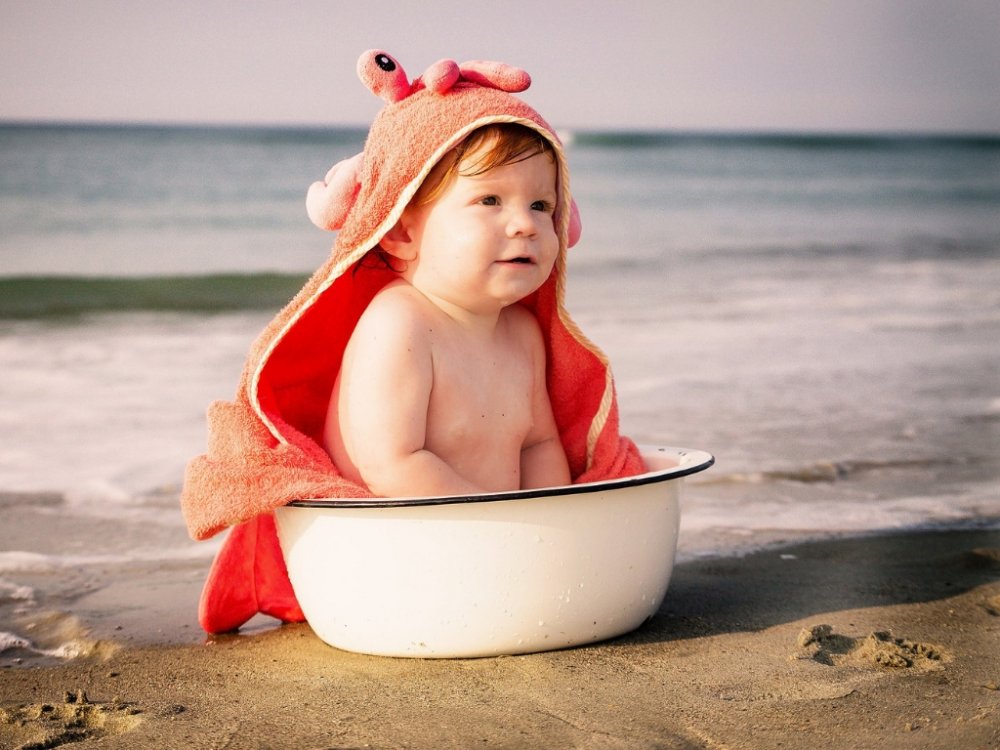
You don’t need a lab coat to raise a curious thinker. A sink, a tub, and a few everyday tools turn your home into a tiny discovery center where brains light up and little hands get busy. Water play is more than giggles and puddles. It’s cause-and-effect, language growth, sensory regulation, and early STEM—delivered in the most human way: through play.
A Tiny Lab in Your Sink
Water is responsive. Kids pour, swirl, squeeze, and instantly see results. That immediate feedback loop builds persistence and attention. Place a stool by the sink after dinner and hand over a whisk, a funnel, and two cups. Watch the experiments unfold. Some moments are splashy. Others are quiet—eyes tracking a stream, fingers pinching a dropper. Both matter.
Cognitive Gains: Cause, Effect & Focus
Every “What happens if…?” becomes a mini lesson in logic. When your child blocks a spout with a finger, they’re testing variables. When they time how fast a cup fills through a narrow vs. a wide funnel, they’re measuring flow. These tiny trials strengthen working memory and flexible thinking: hold a plan, try it, adjust, try again. That’s executive function training—no worksheets required.
Language Grows in the Bath
Water invites rich talk. Name actions (“pour,” “float,” “sink”), textures (“slippery,” “bubbly”), and comparisons (“heavier,” “faster,” “half-full”). Narrate like a sportscaster: “You squeezed the sponge and the water rushed out.” New words stick when they’re tied to sensations and outcomes. Bonus: turn-taking with tools (“my turn/your turn”) builds social language without forcing it.
Sensory Regulation & Confidence
Warm water calms; splashes stimulate. Together, they help kids learn to dial their energy up or down. Offer choices: deep-pressure squeezing with a soaked cloth or gentle tracing on the surface. Even small rituals—dropping in bath bombs for kids on special nights—can make bath time a predictable, joyful reset. Choose gentle options and keep the focus on exploration, not perfection.
Early STEM, Sneakily Fun
STEM hides in plain sight. Try these quick provocations:
- Float vs. sink basket: coins, corks, spoons, leaves. Predict, test, sort.
- Build a “rain maker”: poke holes in a yogurt lid; compare drips vs. streams.
- Volume swap: two containers with different shapes but equal markings; pour back and forth to discover that shape changes, but the amount doesn’t.
- Water clock: mark the tub with tape and track rising levels while a cup drips.
Safety, Setup, and Quick Wins
Stay within arm’s reach. Non-slip mats, lukewarm water, and small amounts go a long way. Keep a “water tray” ready: a plastic bin, a turkey baster, measuring cups, a sponge, food-safe color, and a strainer. Five minutes transforms a grumpy afternoon. Fifteen builds a new skill. Clean-up doubles as another lesson—transfer water with a sponge, wipe surfaces, return tools to a caddy. Ownership grows alongside competence.
The Takeaway
Water play turns everyday moments into brain-building adventures. It meets kids exactly where they are—hands-on, curious, and ready to try again. No fancy kit needed. Just a little time, a few simple tools, and your calm presence. The splash is fun. The science underneath it is extraordinary.



No Comments