
There’s a version of self-care that gets talked about constantly, the bubble bath, the solo coffee, the twenty minutes of quiet before everyone wakes up. All of it matters, and none of it is wrong. But there’s a quieter, less Instagrammable form of self-care that tends to get overlooked entirely: the slow, deliberate act of becoming someone again, outside of the roles that fill up every other hour of the day. For a lot of parents, particularly mums who’ve spent years being needed by small people, that sense of self can start to feel distant, like a coat left in a cupboard that no longer quite fits, or fits differently than it used to.
Going back to study, even part-time, even slowly, is one of the more underrated ways back to that person. Not because a qualification fixes an identity crisis, but because the process of learning something new, on your own terms, for your own reasons, reminds you that you’re still a person with curiosity and ambition independent of anyone else’s needs.
The Identity Question Nobody Asks Out Loud
It’s a strange thing, how completely parenting can absorb a sense of self without anyone quite noticing it happening. One day you’re a person with opinions about your career, your hobbies, your future. A few years later, you’re mainly the person who knows where the spare nappy bags are kept and which child has the dentist appointment on Thursday. Both things can be true. The second one just tends to crowd out the first if nothing actively protects it.
This is where returning to education, even in a small, manageable way, does something that other forms of self-care don’t quite reach. A bath relaxes you for an evening. A new skill, a qualification in progress, a subject you’re slowly mastering, gives you something that’s entirely yours, that exists independent of the household, and that grows a little more solid every week you put time into it. It’s self-care with a destination attached.
Making It Make Financial Sense
None of this matters much if it isn’t also realistic for the family budget, and to be fair, that’s usually the first objection that surfaces. Studying costs money and time, two things that already feel stretched thin in most households. But this is exactly where online study tends to outperform the traditional route, not just in flexibility, but in the actual numbers.
When you look at the hidden costs of higher education, like commuting, parking, and childcare, the decision to get a degree online often makes the most financial sense for young families trying to keep overheads low. There’s no petrol or train fare to a campus several days a week, no need to arrange last-minute childcare around fixed lecture times, no parking permits or canteen lunches quietly adding up over a term. Studying from home doesn’t just save money; it removes an entire category of logistical cost that traditional students simply absorb without thinking about it.
For families working with a tight monthly budget, that difference is rarely small. Redirecting what would have gone toward commuting or wraparound childcare into course fees or a laptop upgrade often means the overall cost of getting qualified ends up lower than people initially assume, especially across the South West, where rural and semi-rural living in places like Devon can mean a genuinely long commute to the nearest campus.

Growth That Fits Around Real Life, Not the Other Way Around
The flexibility goes beyond money, too. Studying online means the work happens around school runs, nursery pickups, and the unpredictable rhythm of family life, rather than family life being rearranged around a fixed timetable. That matters more than it sounds like on paper. A lecture at 10am on a Tuesday assumes someone else is sorting out the school run, the sick child, the half-term chaos. Asynchronous coursework assumes nothing of the sort. It simply waits until there’s time, however irregular that time turns out to be.
There’s also something quietly significant about studying from the place you actually live, rather than relocating or commuting away from it. For families rooted in a particular town or region, close to grandparents, familiar schools, a support network built up over years, distance learning means personal growth doesn’t have to come at the cost of uprooting everything else that’s working. The life stays intact. The person inside it just gets a bit more room to grow.
Becoming Someone Again, Slowly
None of this needs to be dramatic. Nobody needs to overhaul their identity in a single term or finish a degree at breakneck speed while also running a household. The point isn’t urgency. It’s the slow, steady reminder that you’re allowed to want something for yourself, and that wanting it doesn’t have to threaten the family’s stability or stretch the budget past breaking point.
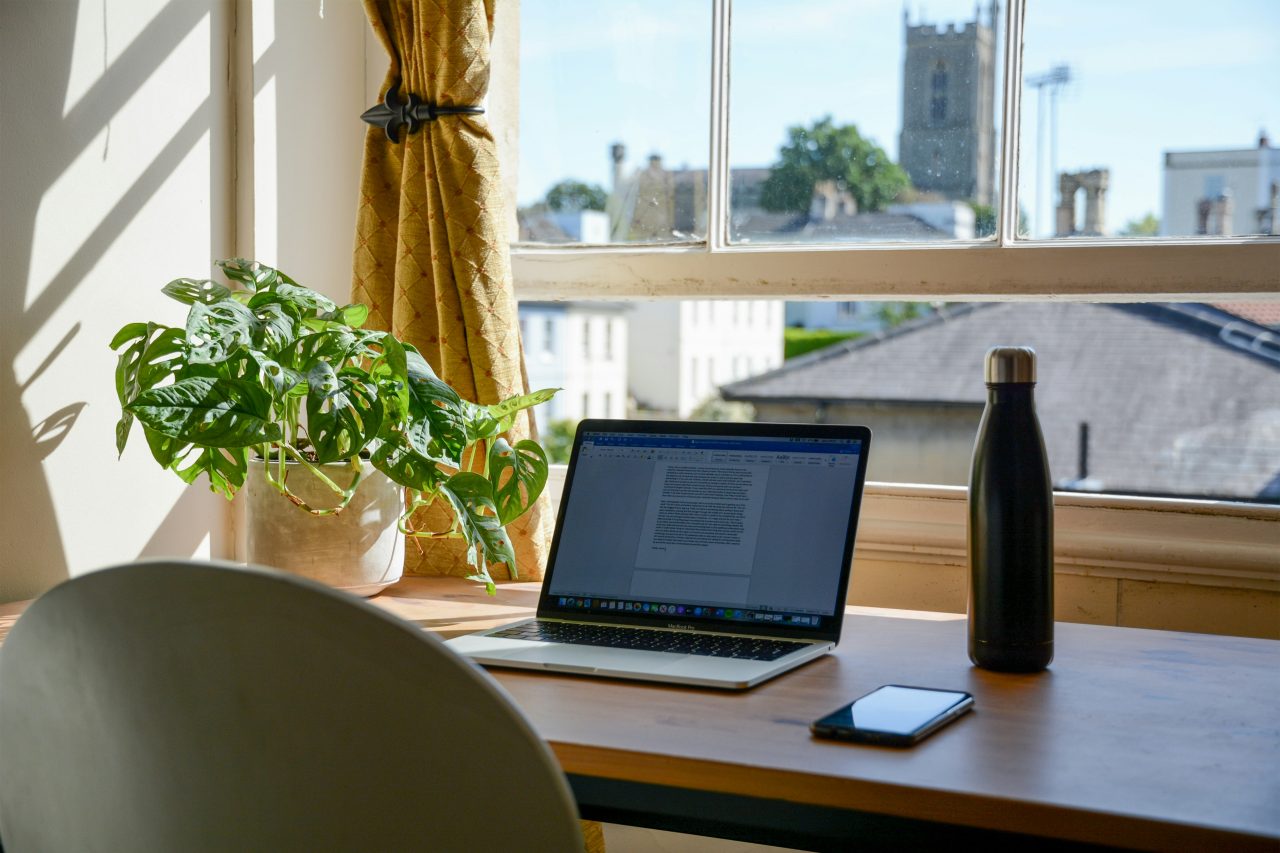
Self-care, in the end, isn’t really about bubble baths or stolen moments of quiet, however nice those are. It’s about protecting the parts of yourself that existed before everyone needed something from you, and making sure they don’t quietly disappear. For a growing number of parents, that protection looks a lot like a laptop open on the kitchen table after bedtime, working steadily toward something that’s entirely their own.




No Comments