
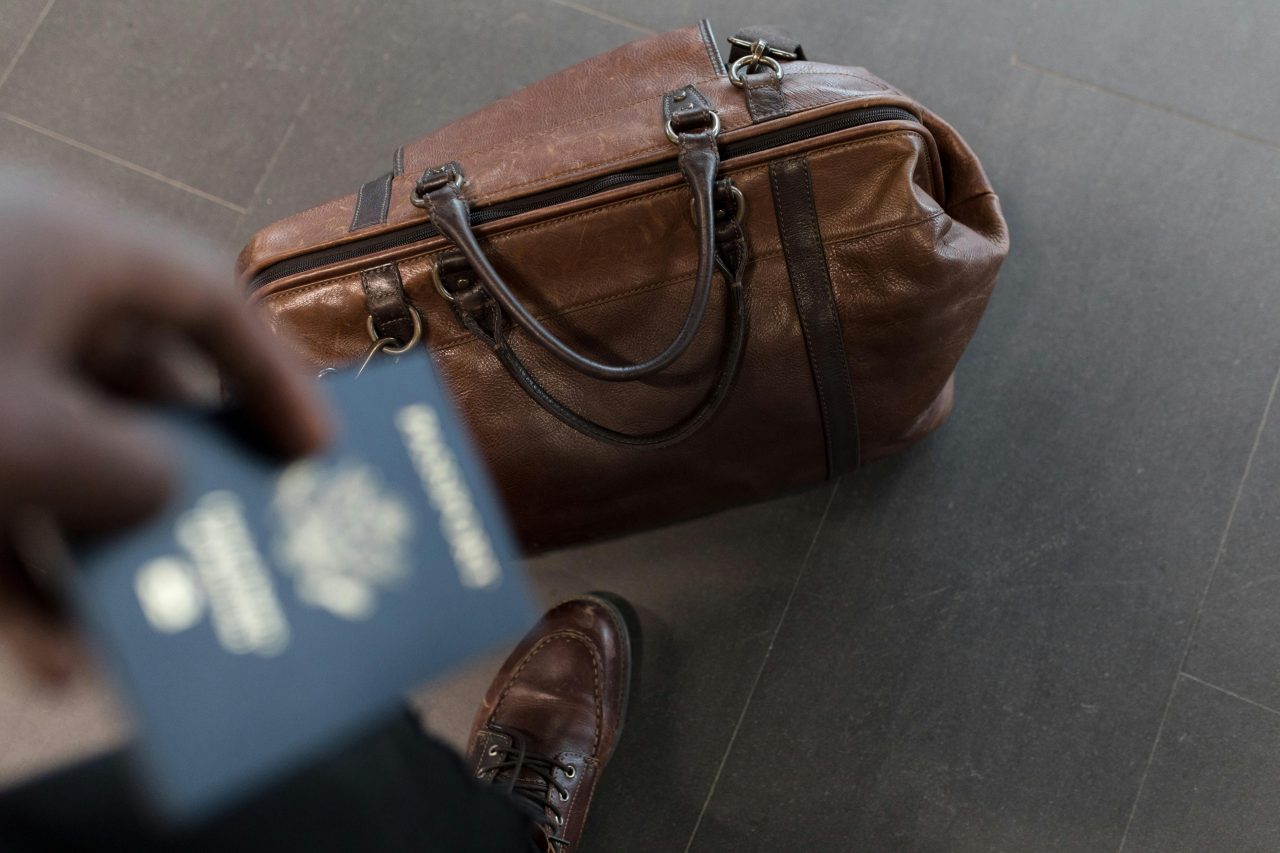
Have you ever noticed how your habits change when you move to a new place? One week you’re a loyal coffee-shop regular, and the next you’re testing out yoga studios because your new neighbor won’t stop talking about theirs. Surroundings push us in directions we don’t always expect. In this blog, we will share how new environments reshape lifestyle choices and what those changes mean for everyday life.
The First Wave of Adjustment
Moving to a new city or even another country comes with a strange mix of freedom and pressure. Everything feels open for reinvention, but routines that once seemed stable disappear overnight. Grocery shopping, commuting, exercising, and socializing all need fresh patterns. Small differences—like store hours, public transport routes, or how friendly people are to strangers—start steering behavior without asking for permission.
This process often begins before the move is even complete. People researching neighborhoods, schools, or health systems are already making subtle decisions about how they will live. Housing availability might push someone toward a smaller apartment, which then influences how much they buy, store, or even cook. These ripples continue once the boxes are unpacked. Anyone who has relocated knows how quickly their habits bend toward what is possible rather than what is familiar. Companies that help with the transition play a role too. For people crossing borders, international movers often handle more than shipping. Their guidance on timing, documentation, and even local customs eases stress so energy can be spent on building routines instead of untangling logistics. When the basics are handled smoothly, people adapt faster, and the new setting starts shaping choices almost immediately.
Culture as a Silent Teacher
Culture influences lifestyle choices in ways that rarely feel obvious at first. A person who once relied on drive-thru meals might shift toward slower dining if local culture emphasizes shared meals. Someone accustomed to twenty-four-hour grocery stores in a U.S. suburb will adapt to stricter shop hours in many European cities. The lifestyle becomes less about individual preference and more about what is socially normal.
Recent global shifts highlight how cultural norms affect habits. After the pandemic, outdoor dining became permanent in many cities. Streets once designed for cars are now lined with tables and heaters. That change didn’t just alter where people eat, it redefined how they interact socially. It is a perfect example of how surroundings can create habits that individuals would never have formed in isolation.
The Power of Physical Space
Urban planners know space dictates behavior. Small apartments encourage minimalism, while sprawling homes invite accumulation. Access to sidewalks, bike paths, and public parks nudges people toward exercise, while neighborhoods without them make cars almost unavoidable. Surroundings either enable or restrict lifestyle choices before willpower ever comes into play.
Housing markets reflect this reality. People relocating to dense cities like Tokyo or New York often trade square footage for location. That choice reshapes daily living, from how much furniture they buy to how often they eat out. On the flip side, suburban or rural moves shift habits toward yard maintenance, driving, and different forms of community interaction. The layout of the environment, more than individual resolve, steers the pattern of life.
Work and Technology in Transition
Surroundings influence not only how we live but how we work. Remote work blurred the link between job and geography, yet it also created new demands. People moving to smaller cities expect reliable internet as a non-negotiable utility, not a luxury. Communities that offer co-working spaces, stable networks, and quiet neighborhoods attract workers who shape their lives around flexible schedules.
Technology bridges gaps created by relocation but also creates new ones. Video calls connect families across continents, yet they can’t replicate the sense of community gained by chatting with a neighbor on a walk. As people move and bring digital habits with them, a blend of old and new routines emerges. Choices about how often to log on, when to disconnect, and how to balance digital and physical life are strongly tied to what the new environment allows.
Health and Well-Being
The influence of surroundings on health is striking. A city with bike lanes and fresh food markets gently pushes healthier routines. A community lacking those resources often leaves residents relying on cars and processed food. Over time, these differences accumulate into real health outcomes.
Broader societal trends have amplified this awareness. Governments now encourage active design in urban planning, from wider sidewalks to public green spaces. Employers consider wellness perks tied to local resources. Even real estate ads highlight proximity to trails, gyms, or healthy dining. Surroundings don’t just reflect lifestyle; they actively produce it.
Humor in Habit Shifts
There’s a certain irony in how quickly new settings rewrite identities. Someone who never recycled before suddenly becomes obsessive about sorting glass and plastic when local rules demand it. A lifelong night owl may discover a morning routine simply because the city shuts down early. These changes often feel unplanned, but they become markers of belonging.
The humor lies in how people defend their new habits. After a few months, the once indifferent recycler may scold visiting friends for tossing bottles into the wrong bin. The night owl turned early riser swears they always loved sunrise. Surroundings shape choices, but people quickly internalize them as part of who they “really” are.
Long-Term Implications
Adjusting to new surroundings isn’t just about convenience—it has long-term effects on identity, relationships, and future decisions. People who settle into walkable communities often become advocates for urban design. Families who thrive in multicultural neighborhoods raise children with broader perspectives. Over time, choices influenced by environment become core parts of personal values.
The broader implication is clear: moving is not just about changing addresses, it’s about reshaping lives. As climate shifts, housing shortages, and global mobility increase, more people will face the influence of new surroundings on their choices. How communities design space, how governments set cultural norms, and how individuals prepare for relocation will all determine whether those transitions lead to balance or struggle.
New surroundings are powerful. They quietly steer what we eat, how we move, when we work, and even how we see ourselves. While individual willpower matters, environments often carry the stronger voice. Adapting to a new place isn’t only about surviving change, it’s about recognizing the opportunities it presents.
Every relocation is a chance to reset habits, explore culture, and form routines that might never have existed otherwise. With awareness, preparation, and a willingness to embrace the unfamiliar, surroundings can shift from obstacles to partners in building a better life.





No Comments